
Truck Driver Paystub Generator: Create Per-Mile Settlement Sheets & Paystubs from Excel
Key Takeaways
- ✓The Freight Payroll Complexity Trap: Unlike standard 9-to-5 desk jobs, trucking payroll involves multiple variable compensation layers: loaded miles, empty/deadhead miles, hourly detention, stop-off pay, per diem reimbursements, and complex fuel card deductions.
- ✓TMS & Generic SaaS Shortcomings: Mainstream cloud payroll systems like Gusto and QuickBooks don't have native mileage or settlement fields, while enterprise Transportation Management Systems (TMS) charge hundreds of dollars per truck per month.
- ✓W-2 Company Drivers vs. 1099 Owner-Operators: Small carriers and dispatchers must maintain clean separation between statutory tax-withheld W-2 employee paystubs and gross settlement advice sheets itemizing fuel advances, trailer leases, and escrow deductions.
- ✓One-Time Offline Software Moat: By pairing an optimized Excel trucking settlement ledger with PayslipGen, fleet owners and freight dispatchers can instantly generate branded, password-protected PDF settlement sheets for $49 lifetime—saving thousands in recurring software fees.
If you operate a trucking company, manage a hotshot hauling outfit, or dispatch a regional fleet of 1 to 25 semi-trucks, you already know the universal truth of the industry: standard payroll software was never built for transportation.
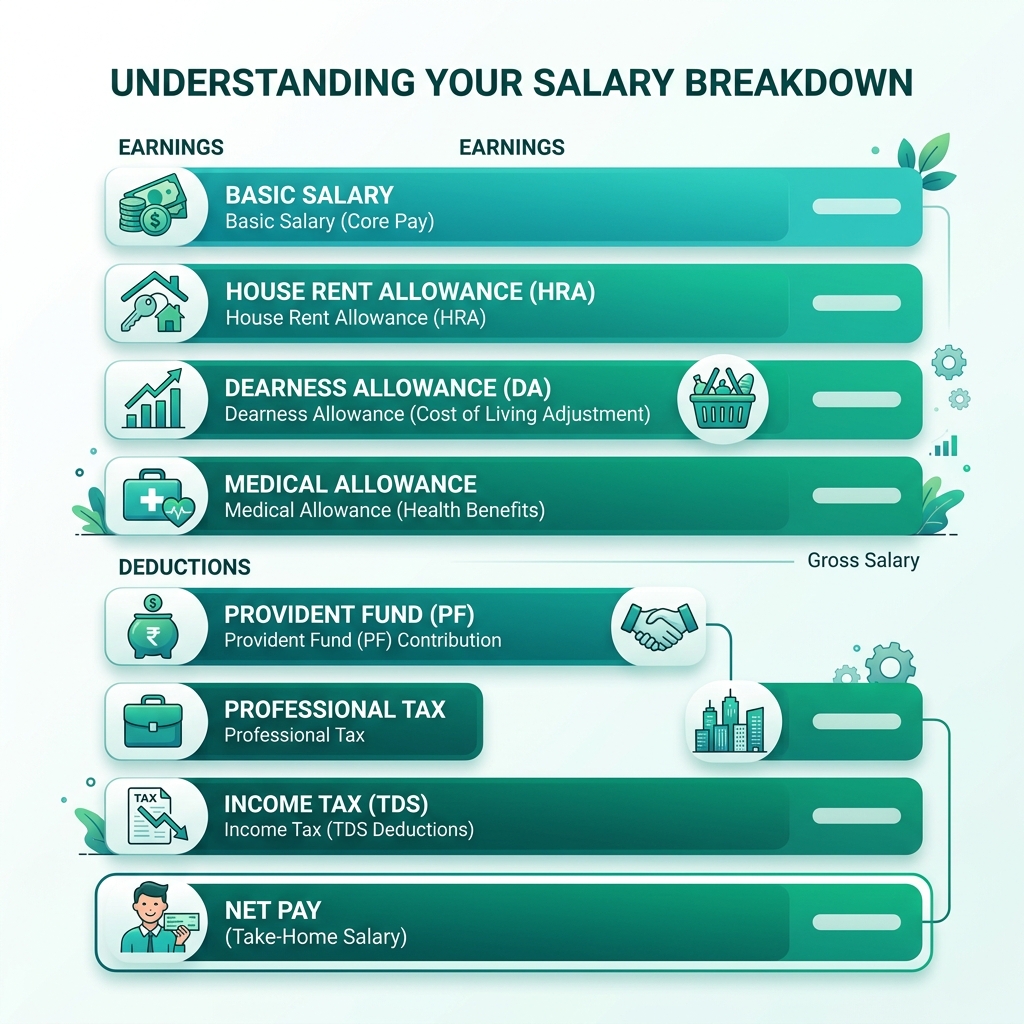
When an office worker gets paid, their paycheck consists of simple math: 40 hours multiplied by an hourly rate, or an annual salary divided by 24 pay periods. But in commercial motor transport, a driver's weekly pay is a dynamic ledger of multiple operational variables:
- 2,450 loaded miles at $0.62 per mile
- 380 empty/deadhead miles at $0.45 per mile
- 4 hours of warehouse detention pay at $25.00 per hour
- $150 stop-off fee for multi-drop delivery
- $385 in non-taxable travel per diem
- Minus: $842 in Comdata/EFS fuel card advances
- Minus: Weekly occupational accident insurance and ELD hardware deductions
Try entering that multi-line formula into QuickBooks Online or Gusto. You will immediately hit a brick wall. Cloud payroll platforms force you to manually calculate the net amounts in an off-screen spreadsheet, re-type arbitrary lumpsum dollar numbers into generic "bonus" or "reimbursement" boxes, and spit out confusing paystubs that leave drivers frustrated and calling dispatch asking: "Where did my fuel deduction go? How many miles did you pay me for?"
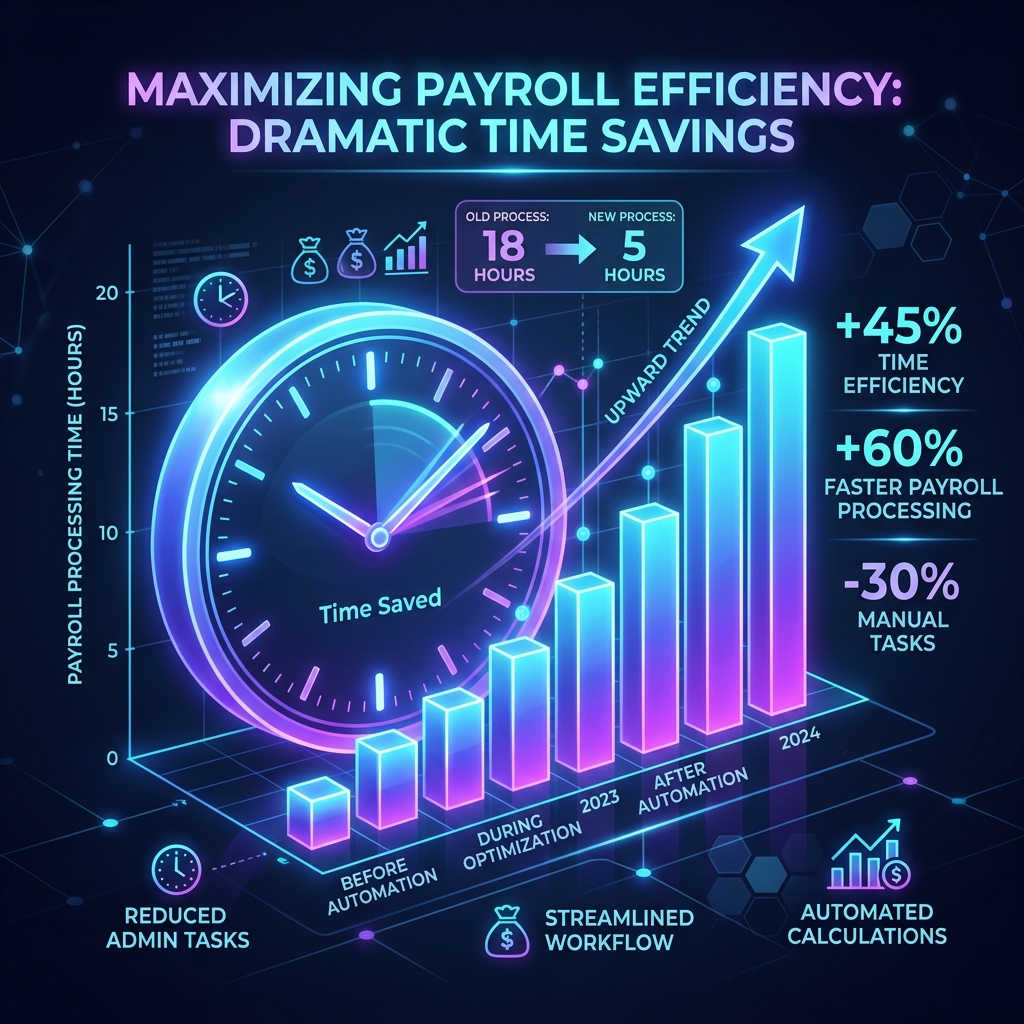
On the other end of the spectrum, dedicated freight Transportation Management Systems (TMS) like Samsara, TruckingPlanet, or McLeod charge astronomical monthly subscription fees ($80 to $250 per truck per month). For an independent fleet owner or small carrier with tight operating margins, paying thousands every year just to print weekly settlement sheets is an unsustainable drain on cash flow.
In this comprehensive operational guide, we break down the exact mathematics of truck driver compensation, explain how to structure a bulletproof trucking payroll spreadsheet, and show how you can generate professional, itemized settlement sheets and paystubs using PayslipGen—completely offline, with zero per-truck monthly fees.
Try Our Interactive Demo Instantly
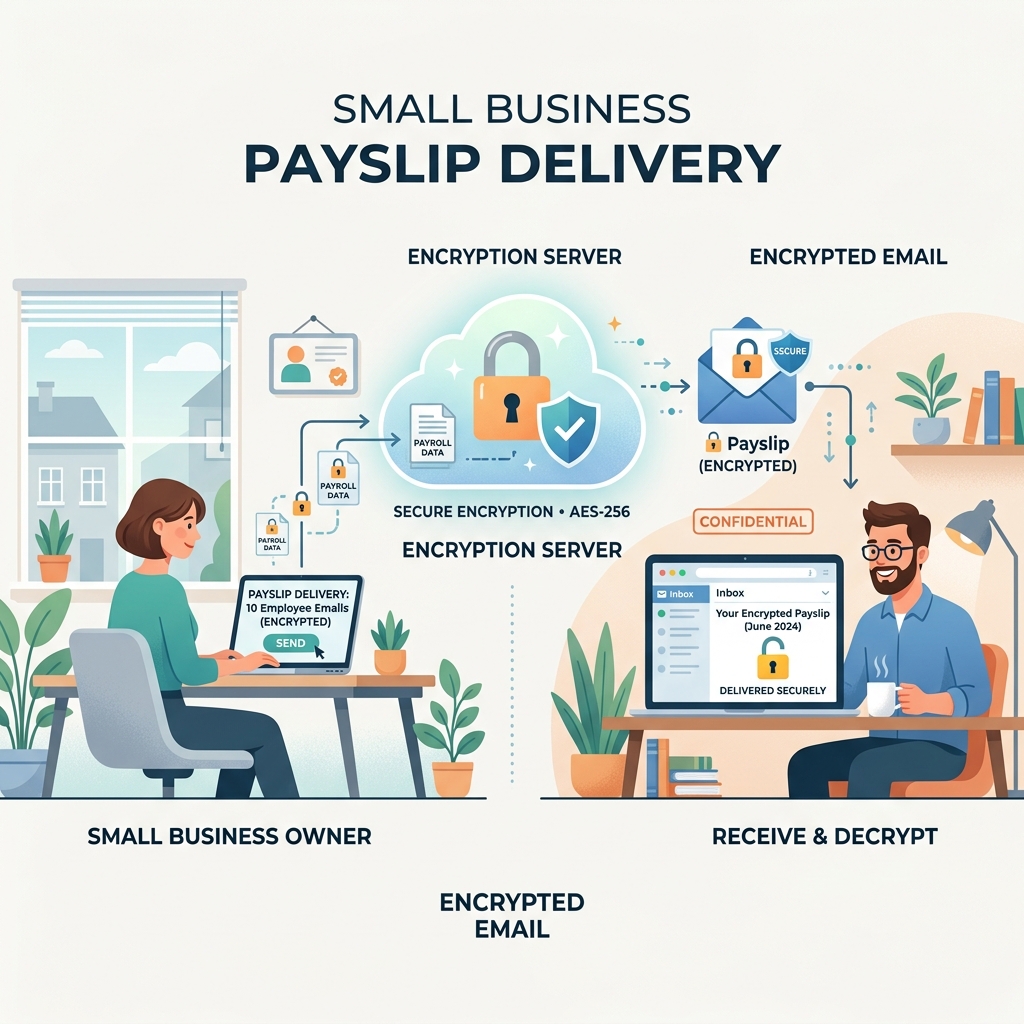
Want to see how an offline-capable, client-side payslip generator works in practice? Try our brand-new interactive demo right in your browser. Upload a sample CSV, map your columns, and generate beautifully designed PDF payslips—with zero data ever being transmitted to our servers.
Launch Free Demo NowChapter 1: The Core Mechanics of Truck Driver Compensation
To produce transparent, dispute-free paystubs that drivers respect, you must clearly distinguish and itemize the core components of freight pay:
1. Cents-Per-Mile (CPM) Rates: Loaded vs. Empty
The foundation of long-haul and regional trucking compensation is Cents-Per-Mile. Carriers calculate mileage based on either:
- Practical Route Miles (PC*Miler): Standard truck-approved highway routing distance between zip codes.
- Household Goods (HHG) / Shortest Route Miles: Traditional point-to-point mileage (often 5%–10% shorter than actual road miles).
- Hub Miles (Odometer): Actual physical mileage recorded on the truck's electronic logging device (ELD) or odometer.
Carriers frequently pay a split rate: a higher premium for revenue-generating Loaded Miles (e.g., $0.65/mile) and a base rate for Empty / Deadhead Miles (e.g., $0.48/mile) when repositioning equipment.
2. Accessorial Pay (Detention, Layover & Stop-Off)
Drivers lose precious driving hours when shippers or receivers delay loading and unloading. Accessorial pay protects driver retention:
- Detention Pay: Typically kicks in after a 2-hour grace period at the shipper/consignee dock, billed at $20 to $40 per hour.
- Layover Pay: A flat daily guarantee ($150 to $250/day) when a driver is stranded over a weekend or waiting for freight assignment through no fault of their own.
- Stop-Off Pay: Additional flat compensation ($50 to $100 per intermediate drop) on multi-stop loads.
- Tarping & Hazmat Fees: Specialized premiums for flatbed securement or hazardous cargo handling.
Chapter 2: The Critical Distinction: W-2 Company Driver vs. 1099 Owner-Operator
One of the costliest audit traps in logistics is commingling company driver paystubs with independent contractor settlement statements. The IRS and state labor departments (such as California's EDD under AB 5) scrutinize trucking classifications aggressively:
| Compensation Dimension | W-2 Company Driver | 1099 Independent Owner-Operator |
|---|---|---|
| Equipment Ownership | Carrier owns and maintains the tractor and trailer | Driver owns, leases, or finances their own equipment |
| Tax Withholding | Mandatory Federal, FICA (7.65%), State & Local withholding | ZERO tax withholding (Driver files Schedule C / Form 1099-NEC) |
| Fuel & Operating Expenses | Paid 100% by carrier; no fuel deductions from pay | Deducted from gross settlement (Fuel card chargebacks, DEF, tolls) |
| Document Title | Employee Paystub / Earnings Statement | Contractor Settlement Sheet / Remittance Advice |
| Escrow & Maintenance Deductions | Strictly illegal under FLSA wage deduction rules | Standard contractual deductions (Maintenance reserve, tire fund) |
Under IRS Revenue Procedure 2011-47 and annual updates, transportation workers subject to DOT Hours of Service regulations can receive a non-taxable travel per diem allowance for meal and incidental expenses (M&IE). For 2026, the federal transportation per diem rate is $69 per dayin the continental US. To keep this tax-free on paystubs, the carrier must maintain an official "Accountable Plan" verifying that the driver was on an overnight trip away from their tax home.
Chapter 3: Structuring the Master Excel Trucking Settlement Sheet
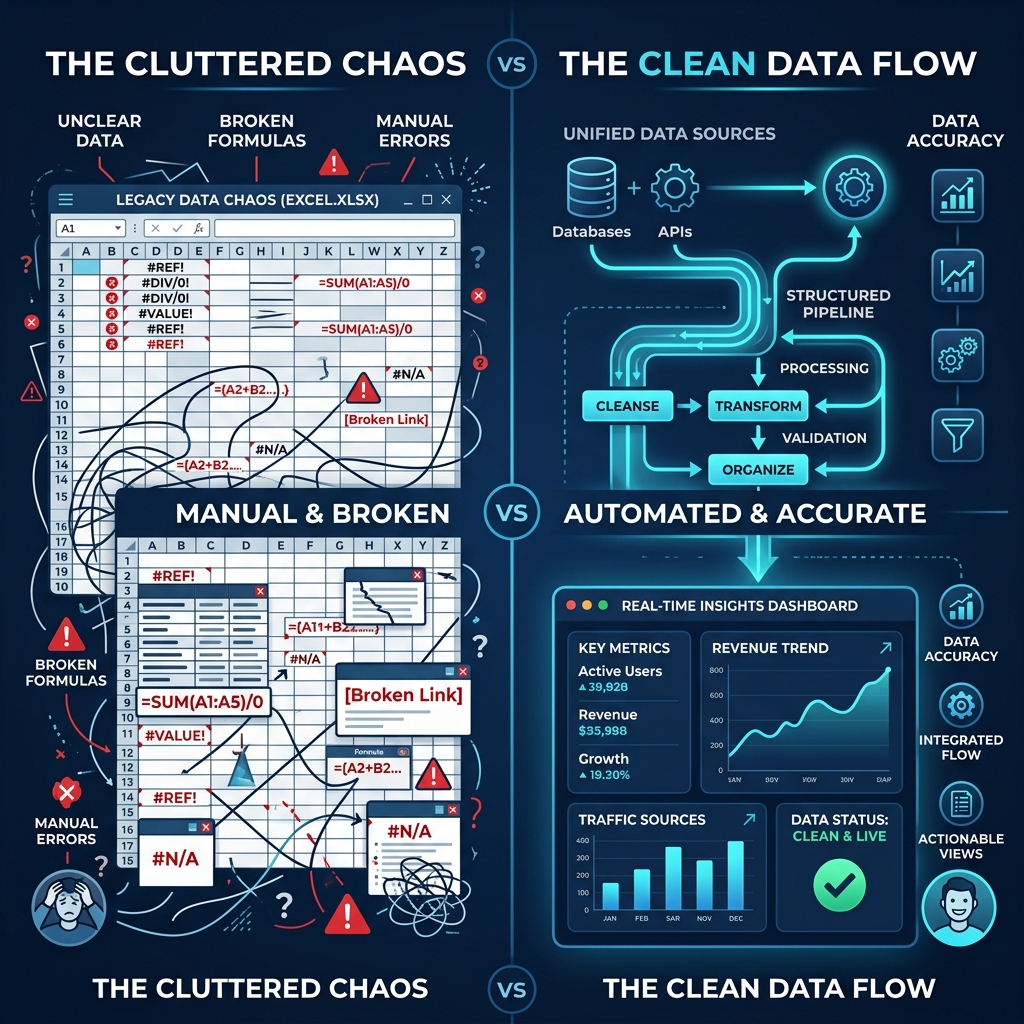
You do not need a bloated cloud enterprise subscription to calculate driver settlements. A single structured Excel or Google Sheet will calculate all gross earnings, accessorials, per diem allowances, fuel deductions, and net disbursements automatically:
| Column Header | Sample Value | Formula / Formatting Rule | Description |
|---|---|---|---|
| Truck_Number | TRK-108 | Text | Assigned tractor unit |
| Driver_Name | Jackson Vance | Text | Driver full legal name |
| Loaded_Miles | 2450 | Number | Total billable loaded distance |
| Loaded_Rate | 0.62 | Currency ($/mi) | Contracted loaded CPM rate |
| Empty_Miles | 310 | Number | Repositioning deadhead miles |
| Empty_Rate | 0.45 | Currency ($/mi) | Contracted deadhead rate |
| Detention_Pay | 100.00 | =Hours * 25.00 | Hourly dock wait time |
| Per_Diem_Nontax | 345.00 | =Days_Overnight * 69.00 | Tax-free DOT meal allowance |
| Fuel_Advance_Ded | 680.45 | Currency (negative) | EFS / Comdata card fuel advances |
| Net_Disbursement | 1423.05 | =Gross_Miles + Accessorials - Deductions | Final check / ACH direct deposit |
Chapter 4: Cost Comparison: One-Time Software vs. Monthly TMS Subscriptions
Why do fleet owners continue paying hundreds of dollars every month to cloud software companies just to calculate mileage and produce settlement PDFs?
Let's examine the 5-year total cost of ownership for a 10-truck carrier:
| Timeframe | Cloud TMS Software ($120/truck/mo) | Gusto/QBO Payroll ($6/driver + base) | PayslipGen (One-Time Desktop License) |
|---|---|---|---|
| Year 1 | $14,400 | $1,560 | $49.00 (Total) |
| Year 3 | $43,200 | $4,680 | $49.00 (Total) |
| Year 5 | $72,000 | $7,800 | $49.00 (Total) |
| Recurring Per-Driver Toll | Yes ($120/mo each) | Yes ($6-$10/mo each) | ZERO ($0.00 forever) |
Chapter 5: IFTA Fuel Tax Reconciliation & Escrow Account Transparency
Beyond basic per-mile pay, two critical accounting areas cause frequent friction between motor carriers and drivers: International Fuel Tax Agreement (IFTA) settlements and maintenance/security escrow accounts.
1. The Mechanics of IFTA Surcharge & Credit Accounting
Under IFTA regulations, commercial motor vehicles operating across state and provincial lines must account for fuel taxes based on where fuel is consumed rather than where it was purchased.
- When an owner-operator purchases diesel in a low-tax state (e.g., Missouri or Oklahoma) but burns that fuel driving through high-tax states (such as Pennsylvania, Indiana, or Illinois), the carrier incurs a net quarterly tax deficit with those states.
- Conversely, buying fuel in high-tax jurisdictions creates a net tax credit.
Transparent carriers reconcile this on settlement sheets either monthly or quarterly. By dedicating a clean line item for IFTA_Tax_Reconciliation, you can reflect credits (additional settlement payment) or charges (tax deductions) directly from your Excel calculations without confusing the driver's base mileage pay.
2. Federal Truth-in-Leasing Compliance (49 CFR Part 376)
If your carrier leases owner-operators, you are strictly governed by the Federal Motor Carrier Safety Administration (FMCSA) Truth-in-Leasing regulations (49 CFR § 376.12). These federal mandates specify that:
- Itemized Escrow Ledgers: Carriers must provide a written accounting of all escrow deductions (for security deposits, physical damage insurance, tire funds, or maintenance reserves) on the driver's periodic settlement statement.
- Cumulative Balance Disclosures: The settlement statement must state the current total escrow balance held in trust.
- Interest Accrual & Return Deadlines: Escrow funds must accrue statutory interest while held, and the carrier must return the net remaining balance within 45 days of contract termination.
Failing to provide clear, itemized settlement statements showing escrow deductions exposes carriers to FMCSA enforcement audits, formal lease dispute complaints, and civil damages.
Chapter 6: Handling Multi-State Withholding & Negative Settlements
Operating over-the-road freight comes with unique tax and financial edge cases that cloud software fails to manage:
The Amtrak Act (49 U.S.C. § 14503) for W-2 Interstate Drivers
Under federal law (commonly known as the Amtrak Act), compensation paid to a commercial motor vehicle driver who performs regularly assigned duties in more than one state is subject to state income tax withholding only in the employee's state of legal residence.
Even if a company driver hauls freight through 14 different states in a single pay cycle, the carrier does notwithhold state income tax in each traversed state. Your Excel spreadsheet only needs a single state tax withholding formula linked to the driver's home residence state code.
Navigating the "Negative Settlement" Cycle
In trucking, unexpected breakdowns happen: an owner-operator needs an emergency tire blowout replacement ($650) and a roadside tow ($400) during a week when they hauled only one 600-mile load ($1,200 gross). After deducting fuel card advances ($550) and insurance premiums ($250), their net pay falls into the negative: -$650.00.
Standard payroll apps crash or reject negative payroll entries. With an Excel-driven workflow using PayslipGen:
- Your spreadsheet calculates the exact negative balance and generates an official Negative Settlement Advice Statement.
- The negative deficit is carried forward into a dedicated
Prior_Balance_Duecolumn for the subsequent week's settlement. - The driver receives an unambiguous, professional record explaining exactly why no cash disbursement occurred, preventing accusations of wage theft.
Chapter 7: How to Generate & Email Driver Settlements with PayslipGen
With PayslipGen, generating professional PDF settlement vouchers for your entire fleet takes less than 60 seconds:
- Maintain Your Dispatch Spreadsheet: Log loads, miles, accessorials, and fuel card receipts in Excel or Google Sheets as trips complete throughout the week.
- Drag & Drop into PayslipGen: Drop your
.xlsxfile into the local application. - Intelligent Header Mapping: Map your spreadsheet headers (Loaded Miles, CPM, Fuel Advance, Per Diem) into the PayslipGen layout engine. The system remembers your mapping permanently, so you never re-map next Friday.
- Batch Encrypt with Driver Credentials:Enable password protection using the driver's Date of Birth or the last 4 digits of their Commercial Driver's License (CDL).
- One-Click Automated Email Delivery:Hit "Generate & Send." PayslipGen renders vector-grade PDFs and dispatches each driver's personal settlement directly to their smartphone email inbox via SMTP.
Frequently Asked Questions (FAQs)
Can I generate both W-2 driver paystubs and 1099 owner-operator settlements?
Yes. PayslipGen allows you to configure different templates and headers. You can output formal W-2 payroll stubs with statutory FICA and tax withholdings, or contractor settlement vouchers itemizing truck lease deductions and gross freight percentages without tax withholding.
How do I show fuel card deductions (Comdata, EFS) clearly on the paystub?
Simply include a column named Fuel_Deductions in your Excel file. When mapped in PayslipGen, it displays in the deductions section of the generated PDF voucher, showing the exact dollar reduction against gross mileage pay.
Do drivers need special software on their phone to open their payslips?
No. PayslipGen generates universal PDF documents compliant with all PDF standards. Drivers can view their settlement statement on any iPhone, Android phone, tablet, or laptop using the native built-in document viewer.
What happens if our fleet grows from 3 trucks to 30 trucks?
Your software cost remains exactly $0.00 extra. PayslipGen is a lifetime desktop software license with zero per-employee, per-driver, or per-truck tier limits. You can generate 5 paystubs or 500 settlement sheets without ever paying an upgrade fee.
Can I brand the settlement statement with my trucking company logo?
Yes. You can upload your high-resolution company logo, specify your brand colors, and add custom footer notes (such as safety bonuses, escrow balance notices, or dispatch announcements).
Take Control of Your Trucking Fleet Settlements
Generate clean, branded, per-mile paystubs and owner-operator settlement statements directly from your Excel spreadsheet for a single one-time payment of $49.
Get PayslipGen for $49 (Lifetime Access)Conclusion: Professional Freight Accounting Without SaaS Overhead
In an industry where fuel prices, freight spot rates, and insurance premiums fluctuate wildly, controlling your administrative overhead is one of the most effective ways to preserve fleet profitability.
Surrendering thousands of dollars every year to bloated cloud software for basic settlement calculations is an unnecessary operational leak. By combining your spreadsheet calculations with the local PDF rendering power of PayslipGen, you give your drivers clear, trustworthy pay records while protecting your trucking company's bottom line.
(Managing other non-traditional compensation? Check out our guides on Blended Overtime Calculations, Commission Draw Formatting, or how to Split Master Spreadsheets into Individual PDFs.)