
Tow Truck Driver Paystub Generator: How Towing Fleets Calculate Commission Per Tow, Gate Fees & Callout Pay in Excel
Key Takeaways
- ✓Commission vs. Minimum Wage Floor (FLSA § 6): Tow truck operators frequently earn 25% to 40% commission per tow ticket. However, under the Fair Labor Standards Act, commission-only drivers must still earn at least the federal ($7.25/hr) or state minimum wage for all hours logged on-shift, requiring weekly reconciliation.
- ✓Motor Carrier Act Exemption Nuances (29 U.S.C. § 213(b)(1)): While interstate heavy wreckers over 10,001 lbs may qualify for the Motor Carrier Act overtime exemption, light-duty municipal rotation and AAA flatbed drivers operating within a single state are entitled to 1.5x regular rate overtime under 29 CFR § 778.118.
- ✓Ancillary Fee Itemization: Paystubs must clearly separate base hook-up commissions from secondary earnings, including after-hours vehicle release "gate fees" ($50–$100 split), winch-out recovery premiums, dollies/skate surcharges, and municipal storage commissions.
- ✓Damage Claim & Fuel Deductions Legality: Deducting customer vehicle transit damage or unreturned lock-out kits from driver paychecks is strictly illegal under FLSA if it drops net earnings below minimum wage. All authorized deductions must be transparently audited on encrypted settlement vouchers.
Operating a 24/7 towing and recovery fleet is one of the most operationally demanding logistics businesses in the transportation sector. Between highway police rotation calls, AAA roadside assistance dispatches, private property impounds (PPI), and heavy-duty semi-truck recoveries, wrecker operators face dangerous working conditions. Yet on Friday morning, the biggest administrative battlefield takes place in the dispatch office over commission payroll.
Towing compensation is rarely a simple hourly wage or clean annual salary. Instead, wrecker drivers operate under complex hybrid compensation plans: base hook-up commission splits (typically 25% to 35% of invoice totals), mileage surcharges beyond 5 miles, after-hours impound yard release gate fees ($50 cash splits), winch-out labor premiums, and overnight standby callout guarantees.
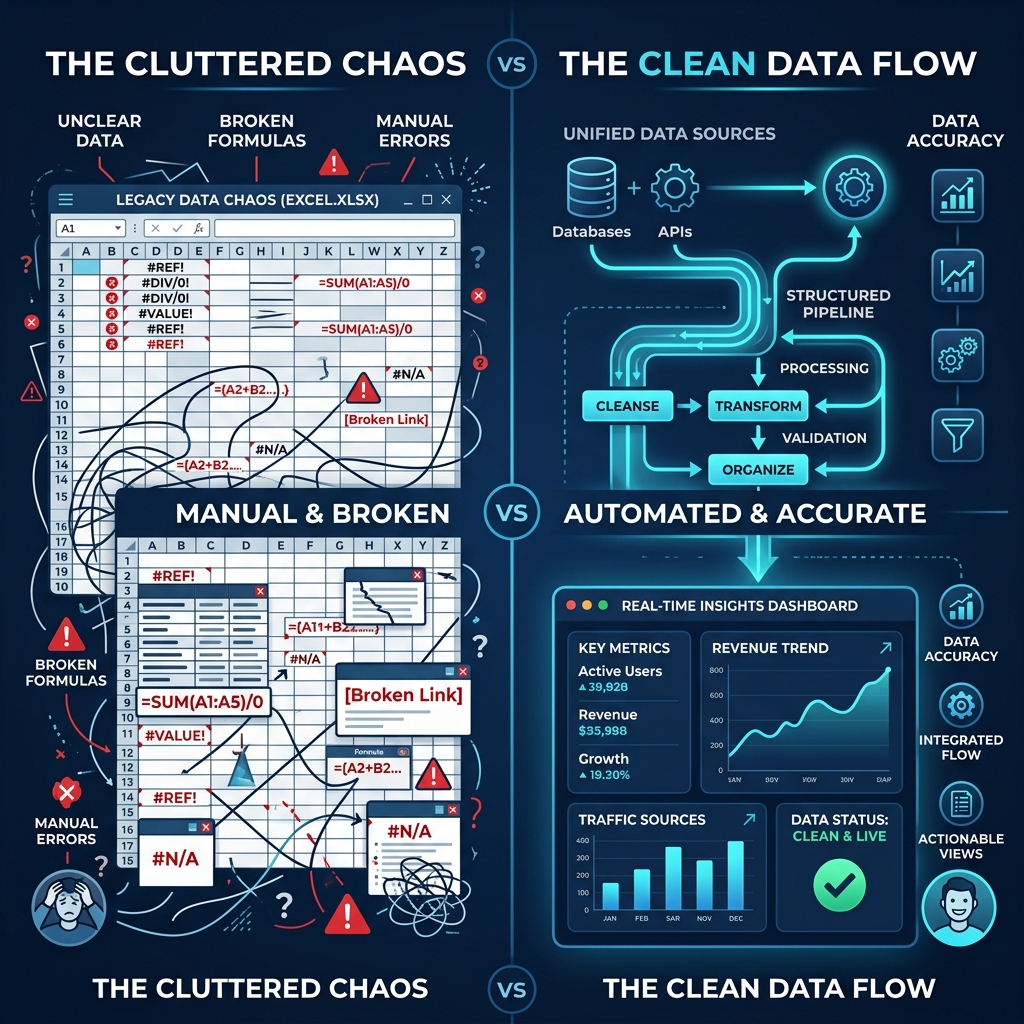
When fleet dispatchers attempt to process these multi-tiered tickets using generic cloud payroll platforms like Gusto, ADP, or QuickBooks Payroll, they hit an immediate brick wall. Mainstream payroll SaaS tools cannot itemize individual tow run tickets, handle commission-against-hourly reconciliations, or calculate complex FLSA blended overtime for dual-rate roadside technicians without exorbitant per-employee monthly surcharges ($80 to $350/month).
Try Our Interactive Demo Instantly
Want to see how an offline-capable, client-side payslip generator works in practice? Try our brand-new interactive demo right in your browser. Upload a sample CSV, map your columns, and generate beautifully designed PDF payslips—with zero data ever being transmitted to our servers.
Launch Free Demo NowChapter 1: The Wrecker Compensation Model: Commissions, Splits & Callout Pay
To structure an audit-proof tow truck paystub, fleet owners and dispatchers must understand how different job types generate revenue and how that revenue splits between the company and the driver:
1. Base Hook-Up & Mileage Commission
Under standard commission arrangements, the driver receives an agreed-upon percentage (generally 25%–35% for light-duty rollback drivers, and up to 40% for heavy-duty rotator operators) of the gross towing charge:
- Hook Fee: The base charge for connecting the vehicle ($85 to $150). On a $100 hook fee at 30% commission, the driver earns $30.00.
- Loaded Mileage: Distance traveled with the casualty in tow ($4.00 to $8.00 per loaded mile). The driver receives their commission split on all billable miles beyond the base radius.
2. Specialized Labor & Winch-Out Recovery Premiums
Vehicles trapped in ravines, rollover collisions, or flooded ditches require technical rigging. Recovery charges often run at an hourly rate ($150–$300/hr) or flat recovery surcharge. Fleet agreements typically award the driver 30% to 50% of the specialized labor billing.
3. After-Hours Impound Release Gate Fees
When vehicle owners arrive to redeem impounded cars outside normal business hours (e.g., between 7:00 PM and 6:00 AM or on weekends), municipalities allow towing companies to charge an administrative "gate fee" ($50 to $100). The on-call driver who drives to the impound lot to inspect registration and release the vehicle typically receives 50% to 100% of this fee as immediate callout compensation.
| Compensation Element | Standard Industry Rate / Split | Tax & Overtime Treatment |
|---|---|---|
| Standard Hook & Tow | 25% – 35% of invoice gross | Included in FLSA Regular Rate for OT |
| Private Property Impound (PPI) | Flat $25 – $45 per vehicle dropped | Taxable wage; Included in regular rate |
| After-Hours Gate Release Fee | 50% – 100% of gate fee ($25 – $75/drop) | Taxable wage; Non-discretionary bonus rule |
| Heavy Duty Rotator Recovery | 35% – 45% of gross recovery billing | Motor Carrier Act status depends on GVWR |
| On-Call Standby Guarantee | Flat $50 – $100 per 12-hr overnight shift | Compensable wait time if restricted under 29 CFR § 785.17 |
Chapter 2: FLSA Overtime & The Motor Carrier Act Exemption in Towing
The most expensive legal liability in towing fleet management is misapplying overtime exemptions. Towing companies frequently assume that because drivers operate commercial wreckers, all drivers are exempt from overtime under the Motor Carrier Act Exemption (29 U.S.C. § 213(b)(1)). Federal courts have repeatedly rejected this blanket assumption.
The SAFETEA-LU Technical Corrections Act and Small Vehicle Exception
Under the Technical Corrections Act of 2008, employees who operate commercial motor vehicles weighing 10,000 pounds or less (Gross Vehicle Weight Rating - GVWR) in whole or in part are entitled to overtime, even if they engage in interstate commerce. If a driver operates a light-duty rollback or standard pickup chase truck for even a single shift during the workweek, they retain full statutory overtime rights under 29 CFR § 778.
Calculating Overtime on Towing Commission (29 CFR § 778.118)
When a non-exempt wrecker driver is paid on a commission basis, their overtime cannot simply be ignored. The employer must calculate the driver's Regular Rate of Pay (RRP) for that specific workweek:
FLSA Commission Overtime Formula for Towing:
Regular Rate of Pay (RRP) = Total Commission Earnings ÷ Total Hours Worked in Workweek
Overtime Premium Rate = RRP × 0.5
Total Overtime Due = Overtime Premium Rate × Overtime Hours (Hours over 40)
Total Gross Pay = Total Commission Earnings + Total Overtime Due
Case Study Example: Driver Jake logs 52 hours running rotation tows and impound calls during a rainy week. His total earned commissions on 28 completed tow tickets amount to $1,560.00. He also collected 4 after-hours gate fees totaling $200.00. Total straight-time earnings = $1,760.00.
- Regular Rate of Pay: $1,760.00 ÷ 52 hours = $33.85 per hour.
- Half-Time Overtime Premium: $33.85 × 0.5 = $16.92 per hour.
- Overtime Pay Due (12 OT hours): 12 hours × $16.92 = $203.04.
- Total Gross Wage: $1,760.00 + $203.04 = $1,963.04.
If the dispatcher had merely paid the $1,760 straight commission without the $203.04 FLSA overtime premium, the towing company would face liquidated damages equal to 100% of unpaid wages plus mandatory legal fees under 29 U.S.C. § 216(b).
Chapter 3: Excel Blueprint: Structuring Wrecker Payroll Workbooks
To process tow truck driver settlement sheets accurately without subscribing to expensive cloud portals, dispatchers can maintain an automated master Excel spreadsheet. Here is the exact column configuration:
| Col | Header Name | Data Type / Excel Formula | Description |
|---|---|---|---|
| A | Driver_ID | Text (e.g., TOW-104) | Unique employee identifier |
| B | Driver_Name | Text | Full driver name |
| C | Total_Hours | Numeric (e.g., 52.0) | Total clocked on-duty hours |
| D | Tow_Commissions | Currency (e.g., 1560.00) | Earned split from dispatch run tickets |
| E | Gate_Fees | Currency (e.g., 200.00) | After-hours impound release splits |
| F | Standby_Pay | Currency (e.g., 100.00) | Guaranteed overnight shift callout pay |
| G | Straight_Gross | =SUM(D2:F2) | Total earnings before overtime |
| H | Regular_Rate | =ROUND(G2/C2, 2) | Hourly regular rate for FLSA |
| I | OT_Hours | =MAX(0, C2-40) | Hours subject to overtime |
| J | OT_Pay | =ROUND(I2*(H2*0.5), 2) | Half-time commission overtime due |
| K | Total_Gross | =G2+J2 | Total taxable gross pay |
| L | Damage_Deduction | Currency (negative or positive) | Post-tax authorized equipment deduction |
| M | Net_Pay | =K2-L2-Taxes | Net driver disbursement |
Chapter 4: Why Cloud Payroll SaaS Fails Towing Companies
Most towing operations employ between 4 and 25 drivers. Traditional SaaS platforms charge a hefty monthly base fee plus $6 to $15 per employee every month. For a 15-driver fleet, you are throwing away $1,500 to $2,500 every year just for software to render PDF slips!
Even worse, platforms like Gusto or QuickBooks require manual data entry for variable commission splits, or they force you into rigid hourly models that cannot calculate 29 CFR § 778.118 commission overtime automatically. Drivers end up with generic paystubs that fail to itemize how many tows they ran, how many gate fees were paid, or what vehicle damage deductions were applied, leading to constant disputes at the dispatch counter.
Chapter 5: Step-by-Step: Generate Towing Paystubs with PayslipGen
By pairing your existing dispatch Excel sheet with PayslipGen, you can generate 100% compliant, itemized driver settlement vouchers in under 60 seconds:
- Export Dispatch Run Totals to Excel or CSV: Export your weekly dispatch records (Towbook, Dispatch Anywhere, or Beacon) into your customized Excel payroll spreadsheet.
- Drag & Drop into PayslipGen: Launch the native desktop application on your Windows or Mac PC. Load your
.xlsxor.csvfile. - Map Towing Headers Instantly: Match your Excel columns to system fields:
Tow_Commissions→ Base Commission / EarningsGate_Fees→ Ancillary Bonus / Service FeesStandby_Pay→ On-Call AllowanceOT_Pay→ FLSA OvertimeDamage_Deduction→ Authorized Deductions
- Encrypt with Driver PIN or DOB: Ensure driver wage privacy by setting automatic password protection using each driver's Date of Birth (
YYYYMMDD) or the last four digits of their Social Security Number. - Batch Generate & Email:Click "Generate Payslips". PayslipGen compiles crystal-clear PDF statements for every driver and delivers them directly to driver inboxes via your private SMTP server or Amazon SES.
Frequently Asked Questions (FAQs)
Can a towing company pay drivers on 100% commission with no hourly base?
Yes, but with strict legal conditions. Under the Fair Labor Standards Act (FLSA), the driver's total weekly commission divided by their total hours on duty must equal or exceed the applicable statutory minimum wage ($7.25 federal or higher state minimum wage). If slow volume causes a driver's commission to fall below minimum wage, the employer must make up the difference with a minimum wage supplement.
Are tow truck drivers exempt from overtime under the Motor Carrier Act?
Not automatically. Under 29 U.S.C. § 213(b)(1) and the SAFETEA-LU Technical Corrections Act of 2008, drivers who operate commercial wreckers weighing 10,000 lbs GVWR or less, or who operate strictly intrastate without transporting interstate cargo or passengers, are non-exempt and MUST be paid 1.5x their regular rate of pay for all hours worked over 40 in a workweek.
Can an employer deduct towing damage or broken car windows from a driver's paystub?
Federal law strictly prohibits any deduction for damaged vehicles, broken tools, or unpaid customer tickets if that deduction reduces the employee's net earnings below the minimum wage or cuts into earned overtime pay. Furthermore, many states (such as California, New York, and Washington) completely prohibit payroll deductions for ordinary workplace negligence.
How should after-hours gate fees be reported on driver paystubs?
Gate fees collected when vehicle owners retrieve cars after hours are considered taxable compensation. Even if paid to the driver in cash at the impound yard, they must be recorded on the payroll voucher as gross taxable earnings and subjected to standard FICA, Medicare, and income tax withholdings to avoid IRS payroll reporting penalties.
Does PayslipGen store driver payroll data on third-party cloud servers?
No. PayslipGen is a 100% offline desktop application. Your driver records, social security numbers, commission splits, and net wages stay entirely on your local computer or private dispatch server. No third-party tracking, no cloud data leaks, and no monthly per-driver subscription fees.
Automate Towing Fleet Payroll for a One-Time $49 Fee
Stop battling rigid cloud SaaS subscriptions. Generate compliant, password-protected PDF driver commission vouchers directly from your dispatch Excel sheets.
Get PayslipGen for $49 (Lifetime Access)Conclusion: Professional Driver Settlements Build Fleet Loyalty
In the high-turnover towing industry, driver retention depends directly on transparent, dispute-free compensation. When operators receive professional, itemized paystubs detailing every hook, loaded mile, gate fee, and overtime calculation, trust is cemented.
By combining your existing Excel dispatch spreadsheet with PayslipGen, you achieve complete data sovereignty, eliminate recurring SaaS costs, and deliver audit-proof paystubs to your drivers in seconds.
(Looking to streamline other mobile and logistics payroll workflows? Check out our guides on DSP Delivery Driver Stop Rates, Truck Driver Per-Mile Settlements, and Flat-Rate Mechanic Flag Hours.)