
Top Payroll Software for Companies That Use Excel
Key Takeaways
- ✓Managing payroll via Microsoft Excel creates high operational risks, including untracked formula corruptions, absence of audit trails, and regulatory compliance penalties.
- ✓Signs an organization has outgrown spreadsheets include spending multiple business days on payroll entry and struggling with multi-tier tax or deduction calculations.
- ✓Dedicated payroll software eliminates manual transposition errors by ingesting raw CSV/Excel datasets and automatically mapping columns to payslip fields.
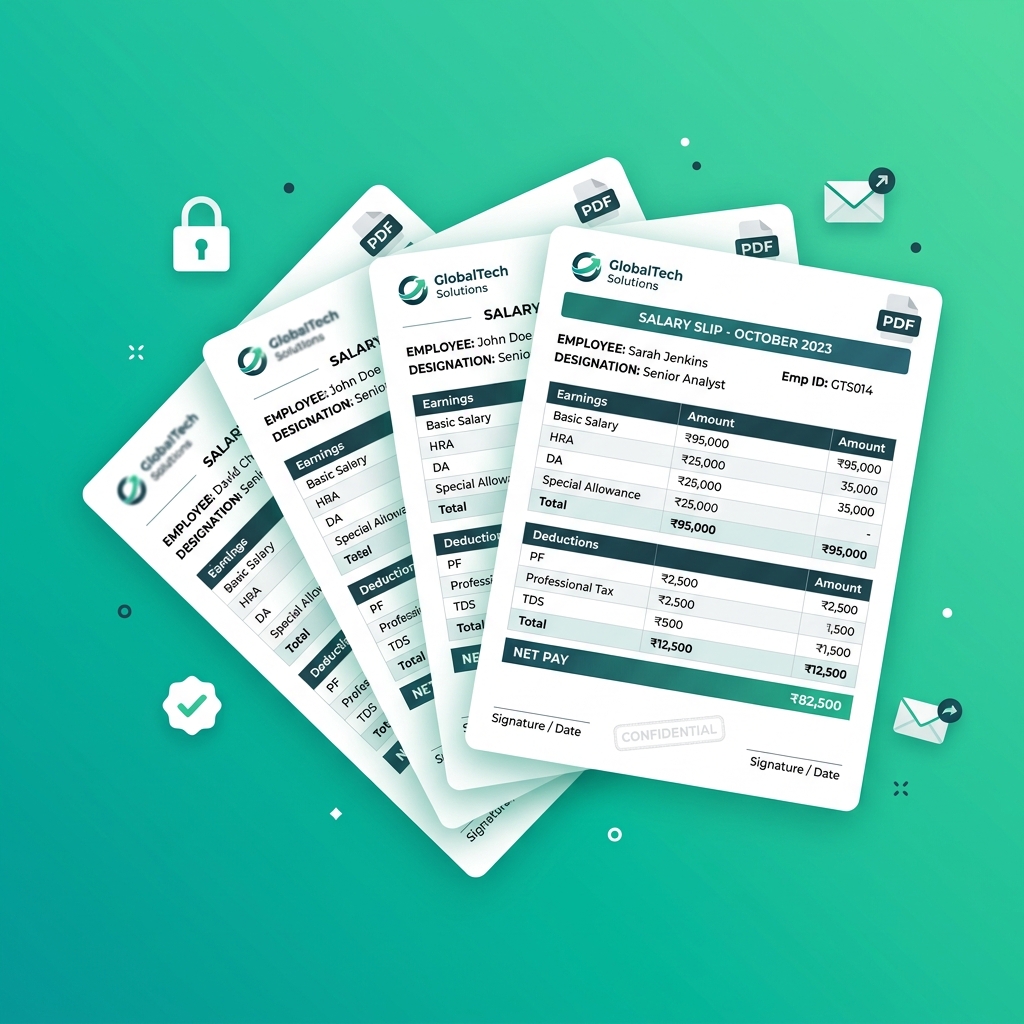
- ✓PayslipGen combines spreadsheet compatibility with local processing, turning Excel payroll records into professional, compliant PDF payslips without cloud security risks.
For decades, Microsoft Excel has undeniably served as the undisputed foundational bedrock of financial administration for countless startups, small enterprises, and even mid-sized organizations globally. Its ubiquitous presence, unparalleled flexibility, and perceived zero-marginal-cost barrier to entry have solidified its position as the default tool for managing everything from complex project budgets to intricate, multi-layered employee payroll calculations. However, as organizational complexity inevitably increases, regulatory environments become exponentially more stringent, and the sheer volume of personnel data scales upward, the fundamental limitations of utilizing a generalized spreadsheet application for critical, highly specialized payroll processing become glaringly, often painfully, apparent.
Transitioning away from familiar, deeply ingrained spreadsheet workflows represents a monumental psychological and operational paradigm shift for many administrative teams. The hesitation is entirely understandable; after all, if a complex system of interconnected formulas and meticulously crafted macros has seemingly worked adequately for years, the perceived friction, financial cost, and potential disruption associated with migrating to a dedicated software solution can appear exceptionally daunting. Yet, the hidden costs associated with manual data entry errors, the devastating potential for catastrophic compliance failures, and the astronomical accumulation of wasted administrative hours inevitably render the continued reliance on Excel for payroll an unsustainable, highly precarious strategy in the modern business landscape. This comprehensive guide is specifically engineered to demystify this critical transition, providing a deeply analytical exploration of why moving beyond spreadsheets is an operational imperative, and meticulously highlighting the top-tier payroll software solutions currently dominating the market that are specifically architected to seamlessly accommodate organizations making the vital leap from manual Excel calculations.
Try Our Interactive Demo Instantly
Want to see how an offline-capable, client-side payslip generator works in practice? Try our brand-new interactive demo right in your browser. Upload a sample CSV, map your columns, and generate beautifully designed PDF payslips—with zero data ever being transmitted to our servers.
Launch Free Demo NowThe Undeniable Allure and Historical Dominance of Spreadsheet Administration
To effectively understand the pervasive reluctance to abandon Excel-based payroll processing, one must first objectively acknowledge the profound reasons behind its historical dominance. Excel is a remarkably powerful, incredibly versatile computational engine. It offers an almost infinite canvas upon which a skilled administrator can meticulously construct highly customized formulas to handle exceptionally unique, idiosyncratic business logic that off-the-shelf software might struggle to accommodate natively. Furthermore, because Excel is already universally installed on virtually every corporate workstation as an integral component of the standard office productivity suite, the initial financial investment to utilize it for payroll is perceptually non-existent, making it highly attractive to resource-constrained startups and small businesses operating with razor-thin margins.
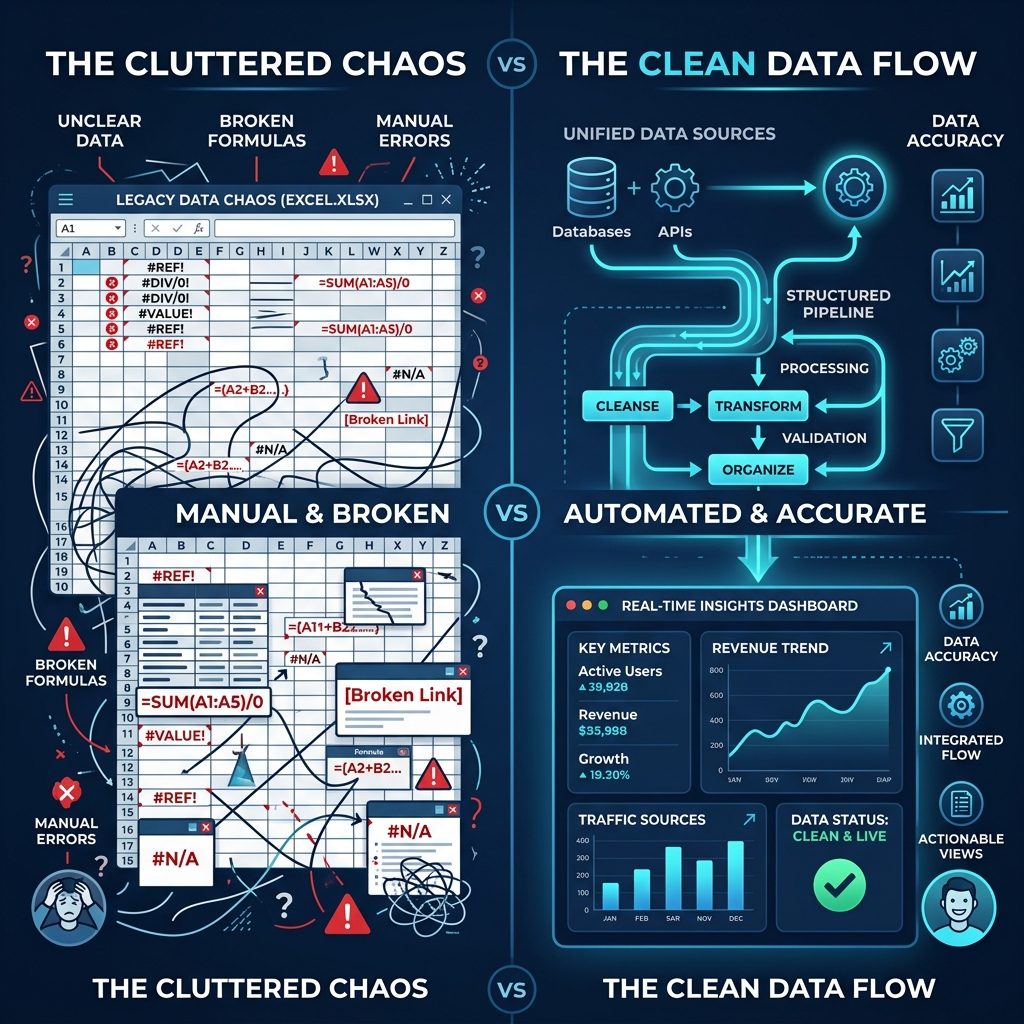
Additionally, the perceived transparency of a spreadsheet—the ability to visually inspect every single cell, explicitly trace complex formula precedents, and manually override individual calculations—provides a deeply comforting illusion of absolute control to administrators accustomed to manual oversight. They are not forced to blindly trust the opaque, "black box" calculations of an external software system; they can individually verify the arithmetic of every single line item. However, this profound illusion of control is fundamentally deceptive. The highly manual nature of spreadsheet construction is precisely what introduces the greatest vulnerability: the unavoidable, statistically inevitable reality of human error.
The Hidden, Devastating Operational Costs and Critical Compliance Risks
The most significant threat associated with managing enterprise payroll within Excel is not necessarily malicious external interference, but rather the devastating consequences of subtle, cumulative internal mistakes. A single, inadvertently misplaced decimal point, an accidentally deleted critical formula cell, or a copy-paste error executed late on a Friday afternoon can instantaneously cascade through a complex web of interdependent calculations, resulting in massive, systemic underpayments or overpayments that severely damage employee trust and incur significant financial liabilities. The inherent lack of rigorous, automated version control and comprehensive, immutable audit trails means that identifying the specific origin of these discrepancies, or even realizing that an error has occurred before wages are disbursed, is an incredibly difficult, exceptionally time-consuming forensic exercise.
Furthermore, the modern regulatory landscape surrounding employee compensation, taxation, and statutory deductions is phenomenally complex and subject to continuous, unpredictable legislative changes. National tax codes are updated annually, regional compliance mandates shift continuously, and specific industry regulations are aggressively enforced with severe financial penalties for non-compliance. Expecting an overworked HR administrator or a dedicated accountant to manually monitor these complex legislative changes, accurately interpret their technical implications, and flawlessly update complex, custom-built Excel formulas in real-time is not just operationally inefficient; it is a profoundly reckless compliance strategy that exposes the organization to massive legal liabilities, extensive regulatory audits, and deeply damaging reputational harm.
The Fragility of Interdependent Formulas
A single complex spreadsheet acting as the centralized repository for organizational payroll is essentially a precarious house of cards. When the specific individual who originally authored the complex macros leaves the company, they inevitably take the institutional knowledge required to securely maintain, troubleshoot, or safely update the incredibly fragile system with them, leaving the organization profoundly vulnerable to catastrophic systemic failure.
Identifying the Critical Tipping Point: When You Have Outgrown Excel
Recognizing precisely when an organization has fundamentally outgrown the utilitarian capabilities of spreadsheet-based processing is a vital leadership responsibility. There are several glaring, undeniable operational indicators that signal an urgent, non-negotiable need for immediate transition. If your administrative team is spending multiple full business days every single month agonizing over manual data entry, obsessively double-checking complex formula integrity, or frantically consolidating disparate information from multiple different departmental spreadsheets, you are rapidly approaching the critical breaking point. This massive expenditure of highly valuable human capital on repetitive, low-value administrative tasks actively prevents your strategic HR personnel from focusing on critical, high-impact initiatives such as comprehensive talent acquisition, rigorous employee development, and fostering robust organizational culture.
Moreover, if you are experiencing frequent, embarrassing payment inaccuracies that require frustrating, manual post-processing corrections and awkward apologies to aggrieved employees, your current system is demonstrably failing its primary objective. Employee compensation is the foundational, sacred bedrock of the psychological contract between an organization and its workforce; consistent, systemic unreliability in this critical area invariably leads to rapidly plummeting team morale, significantly increased employee turnover, and devastatingly negative organizational sentiment. When the intricate complexity of managing varying tax jurisdictions, accurately calculating overtime differentials, and correctly tracking complex accrued leave balances begins to overwhelm the fundamental structural capacity of a two-dimensional grid, it is unequivocally time to actively seek a robust, specialized technological solution.
Evaluating Top-Tier Payroll Solutions for the Post-Spreadsheet Era
When an organization finally commits to migrating away from the perilous reliance on Excel, selecting the appropriate replacement software is an incredibly consequential, strategic business decision. The optimal solution must not only aggressively automate the complex, underlying mathematical calculations and ensure absolute, rigorous regulatory compliance, but it must also provide an incredibly intuitive, highly accessible user experience that minimizes transitional friction for administrative staff accustomed to the completely unstructured freedom of a spreadsheet. It must effortlessly transform chaotic, disparate data into highly structured, securely managed intelligence.
For companies specifically transitioning from a heavily customized, localized spreadsheet environment, a robust desktop payroll software solution often represents the most logical, highly secure, and strategically comfortable evolutionary step. With Excel payroll workflow automation, businesses can directly convert their existing spreadsheets into professional payslips. Unlike complex, sprawling cloud-based platforms that mandate the complete relinquishment of data sovereignty and force organizations into rigid, predetermined operational workflows, sophisticated modern offline applications frequently offer a significantly more familiar, deeply reassuring user paradigm. These powerful systems combine the uncompromising, localized data control that administrators intuitively appreciate with the highly advanced, heavily automated calculation engines and robust, comprehensive compliance frameworks necessary for modern enterprise administration.
1. The Superiority of Uncompromising Security and Data Sovereignty
One of the primary, often unstated reasons administrators implicitly trust their massive local Excel files is the profound, tangible comfort of physical containment; they intimately know exactly where the highly sensitive data resides. Modern offline payroll software brilliantly preserves and significantly enhances this foundational security posture. By executing all complex computational logic and securely storing the comprehensive historical database exclusively on the organization's dedicated local hardware, these systems completely and elegantly bypass the massive, highly complex attack surfaces inherently associated with constant internet connectivity and distributed, third-party cloud hosting. The deeply sensitive employee PII never unnecessarily transverses the inherently vulnerable public internet, providing an unprecedented, unparalleled level of cryptographic security and absolute regulatory peace of mind.
2. Intuitive, Comprehensive Data Import and Seamless Migration Capabilities
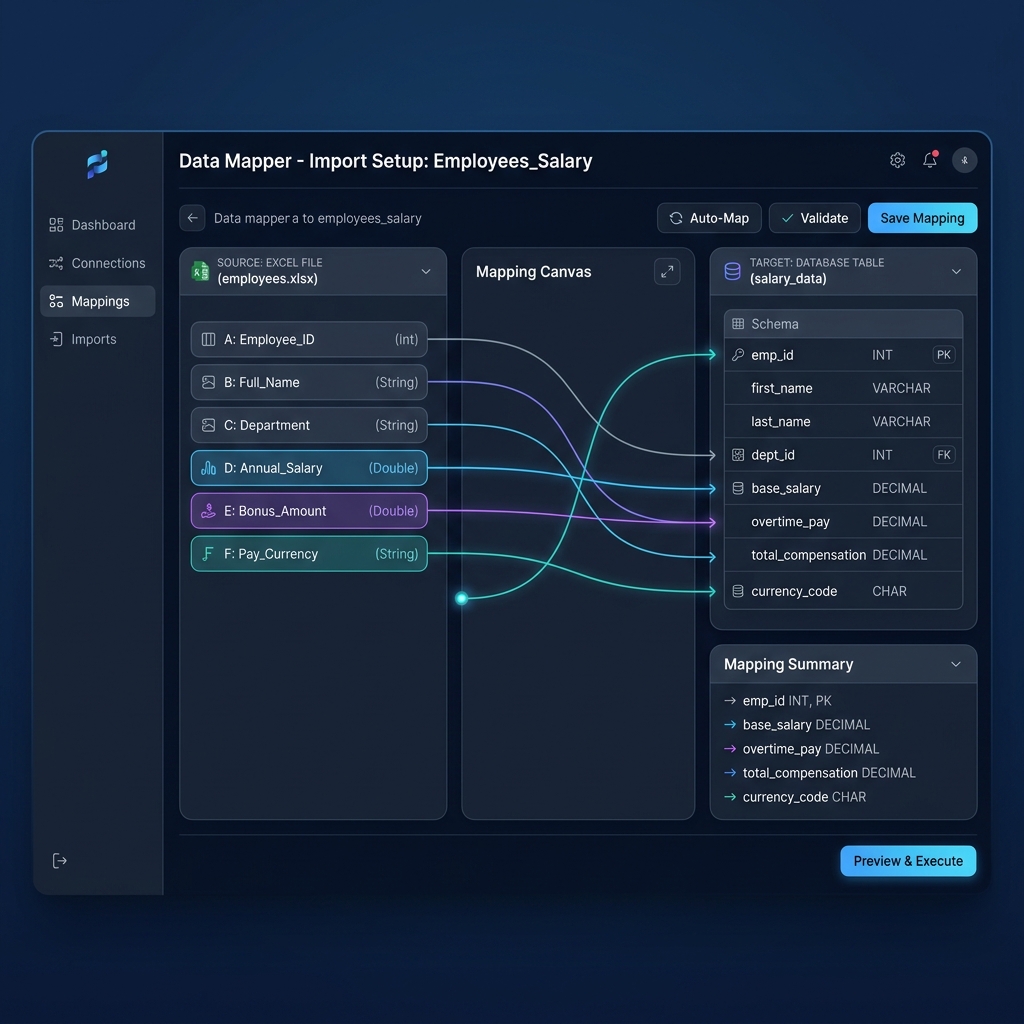
The most significant, intimidating barrier to software adoption is typically the deeply terrifying prospect of migrating years of complex, unstructured historical data from incredibly messy legacy spreadsheets into a new, highly structured database environment. The top-tier payroll solutions explicitly recognize this profound challenge and provide sophisticated, incredibly robust data mapping tools specifically engineered to effortlessly ingest, meticulously validate, and seamlessly import massive CSV or Excel files. This highly automated, carefully guided transition process significantly minimizes deeply frustrating manual data entry, drastically reduces the potential for catastrophic transposition errors during the migration phase, and aggressively accelerates the overall implementation timeline, allowing organizations to realize a return on investment significantly faster.
Conclusion: Making the Strategic Leap Towards Administrative Excellence
While Microsoft Excel undeniably remains a phenomenally powerful, incredibly versatile analytical tool for ad-hoc financial modeling, complex data visualization, and generic numerical analysis, it is fundamentally, structurally, and categorically inappropriate as the primary, long-term foundational infrastructure for processing modern enterprise payroll. The severely hidden operational costs associated with manual data entry, the profound, ever-present risk of catastrophic formulaic error, and the completely unmanageable complexity of continuous regulatory compliance collectively represent an unsustainable, deeply precarious operational liability that no mature, responsible organization can rationally tolerate indefinitely.
Transitioning to a dedicated, highly robust software solution is not merely a minor technological upgrade; it is a profound, strategic organizational investment in uncompromised accuracy, absolute regulatory compliance, and significantly enhanced administrative efficiency. By actively embracing systems that aggressively automate complex mathematical calculations, rigorously enforce stringent legal frameworks, and provide comprehensive, immutable audit capabilities, businesses completely liberate their highly valuable human resources from the endless, exhausting drudgery of manual data manipulation. Whether opting for a sprawling cloud platform or strategically prioritizing the uncompromising, absolute security of a localized, modern desktop payroll software application, the ultimate objective remains profoundly identical: constructing a reliable, impenetrable, and deeply efficient administrative foundation capable of confidently supporting ambitious organizational growth while guaranteeing that every single employee is compensated with absolute, flawless precision.