
Payroll Automation Checklist for HR Managers
Key Takeaways
- ✓A standardized payroll automation checklist prevents costly calculation errors through structured pre-processing, data sanitization, and tax compliance mapping.
- ✓Pre-execution validation must verify approved timesheets, variable bonuses, jurisdictional tax deductions, and PDF encryption parameters before dispatch.
- ✓Modern payroll automation platforms like PayslipGen replace blind mail merges with closed-loop SMTP tracking and targeted one-click retries for failed emails.
- ✓Post-processing audits require reconciling digital delivery logs with master banking records to ensure complete compliance and financial accuracy.
The fundamental transition from legacy, manual salary processing mechanisms to sophisticated, highly orchestrated payroll automation represents one of the most critical operational imperatives for modern human resources departments aiming to eliminate catastrophic administrative errors and foster deep organizational trust. Within the intricately complex ecosystem of corporate finance and employee management, the margin for error is essentially non-existent, demanding a rigorous, meticulously constructed checklist to ensure every conceivable variable is accounted for before the deployment of automated systems.
When HR administrators continue to rely on an amalgamation of disparate spreadsheets, loosely connected email clients, and ad-hoc communication channels to execute their most sensitive monthly obligation, they expose the broader organization to substantial compliance risks, devastating data breaches, and a profoundly negative impact on overall employee morale. Consequently, establishing a comprehensive framework that explicitly details the prerequisites, execution parameters, and post-deployment auditing procedures is not merely a recommendation but an absolute necessity for those organizations striving to achieve operational excellence in an increasingly unforgiving regulatory environment.
Try Our Interactive Demo Instantly
Want to see how an offline-capable, client-side payslip generator works in practice? Try our brand-new interactive demo right in your browser. Upload a sample CSV, map your columns, and generate beautifully designed PDF payslips—with zero data ever being transmitted to our servers.
Launch Free Demo NowThe profound psychological toll exacted on human resources professionals tasked with manually verifying, encrypting, and dispatching hundreds or thousands of individual salary slips cannot be overstated, as the perpetual anxiety associated with potential miscalculations or misdirected emails inevitably degrades their capacity to engage in more strategic, value-additive organizational initiatives. This exhaustive, multi-faceted checklist has been methodically designed to guide ambitious HR managers through the labyrinthine process of implementing a robust, fault-tolerant payroll automation architecture that systematically eradicates these persistent pain points.
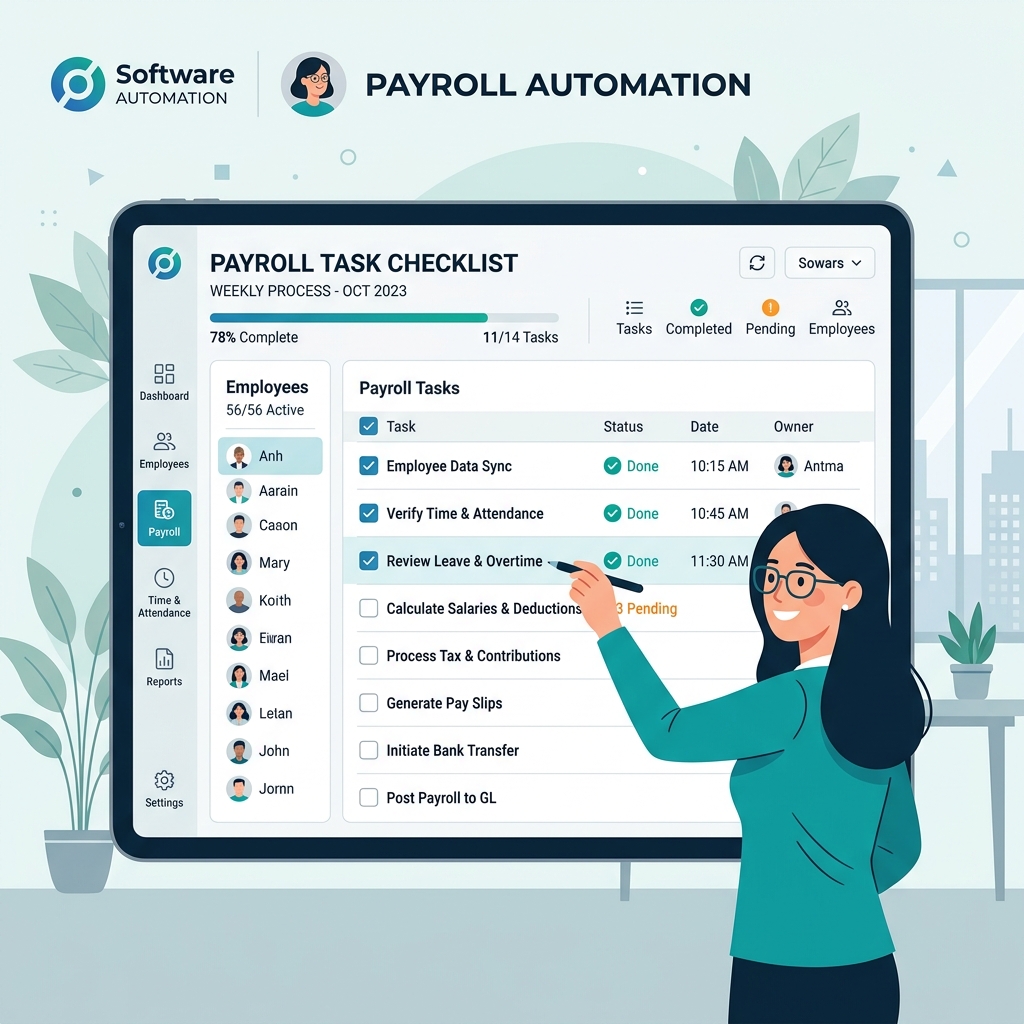
1. The Imperative for Modernizing Payroll Infrastructure
To fully appreciate the necessity of adopting a stringent automation checklist, one must first critically examine the inherently fragile nature of traditional payroll infrastructures that are predominantly characterized by manual data entry, undocumented institutional knowledge, and a terrifying reliance on the flawless execution of repetitive tasks by fallible human operators. Every single manual intervention in the calculation of gross wages, the deduction of complex tax liabilities, or the application of variable bonuses introduces a tangible probability of mathematical corruption that can cascade through the entire financial ecosystem, ultimately resulting in severe regulatory penalties and a catastrophic erosion of the foundational trust that binds employees to their respective employers.
Furthermore, the contemporary regulatory landscape is characterized by an unprecedented level of volatility, with regional, national, and international tax authorities continuously introducing labyrinthine modifications to compliance requirements that are practically impossible to track and implement effectively without the assistance of sophisticated algorithmic oversight. By systematically migrating toward an automated paradigm guided by a comprehensive checklist, organizations can effectively insulate themselves against these unpredictable external pressures, ensuring that their internal processes remain perpetually aligned with the most current legal frameworks while simultaneously liberating their human resources personnel to focus on cultivating a more dynamic, engaged, and productive workforce.
It is imperative to recognize that the pursuit of payroll automation is not synonymous with the complete elimination of human oversight; rather, it represents a fundamental paradigm shift wherein the role of the HR manager transitions from that of a tedious data processor to a strategic architect who leverages advanced technological tools to orchestrate a seamless, error-free financial distribution mechanism. This transformation necessitates a profound recalibration of existing departmental workflows, demanding the establishment of rigorous pre-processing validation protocols, the integration of real-time telemetry dashboards to monitor system health, and the implementation of resilient failover mechanisms capable of instantly addressing any transient anomalies that may arise during the execution phase.
The Hidden Costs of Manual Processing
Beyond the explicitly identifiable financial penalties associated with compliance violations, organizations that stubbornly cling to obsolete, manual payroll systems invariably incur massive, albeit invisible, operational costs stemming from the perpetual misallocation of highly skilled human capital toward fundamentally robotic, repetitive administrative burdens.
2. Foundational Prerequisites for System Deployment
Before an organization can realistically contemplate the initiation of an automated payroll sequence, it must first establish an extraordinarily stable, logically coherent foundational data architecture that guarantees the absolute integrity of every single input variable utilized by the algorithmic calculation engine. This preparatory phase is arguably the most critical component of the entire automation journey, as the fundamental axiom of computer science—garbage in, garbage out—remains particularly applicable to the generation of highly sensitive financial documentation that dictates the livelihood of the organization's workforce.
Data Sanitization and Centralization
The initial step in this comprehensive checklist demands the meticulous sanitization and consolidation of all employee data repositories into a single, unassailable source of truth that definitively eliminates the terrifying prospect of utilizing conflicting or outdated information during the calculation phase. HR managers must systematically audit their existing databases, aggressively purging duplicate entries, standardizing formatting conventions for critical fields such as employee identification numbers and bank account routing details, and implementing strict access controls to prevent unauthorized modifications that could compromise the integrity of the subsequent automated processes.
This rigorous data cleansing initiative must be accompanied by the deployment of robust synchronization protocols capable of seamlessly bridging the gap between disparate organizational systems, ensuring that any modifications made to an employee's status—such as a mid-cycle promotion, a change in tax withholding preferences, or a temporary leave of absence—are instantaneously reflected within the core payroll calculation engine without requiring any secondary manual interventions. The absence of such real-time synchronization capabilities inevitably introduces dangerous latency into the system, drastically increasing the likelihood of generating inaccurate payslips that necessitate tedious, retroactive adjustments and severely damage the department's internal reputation.
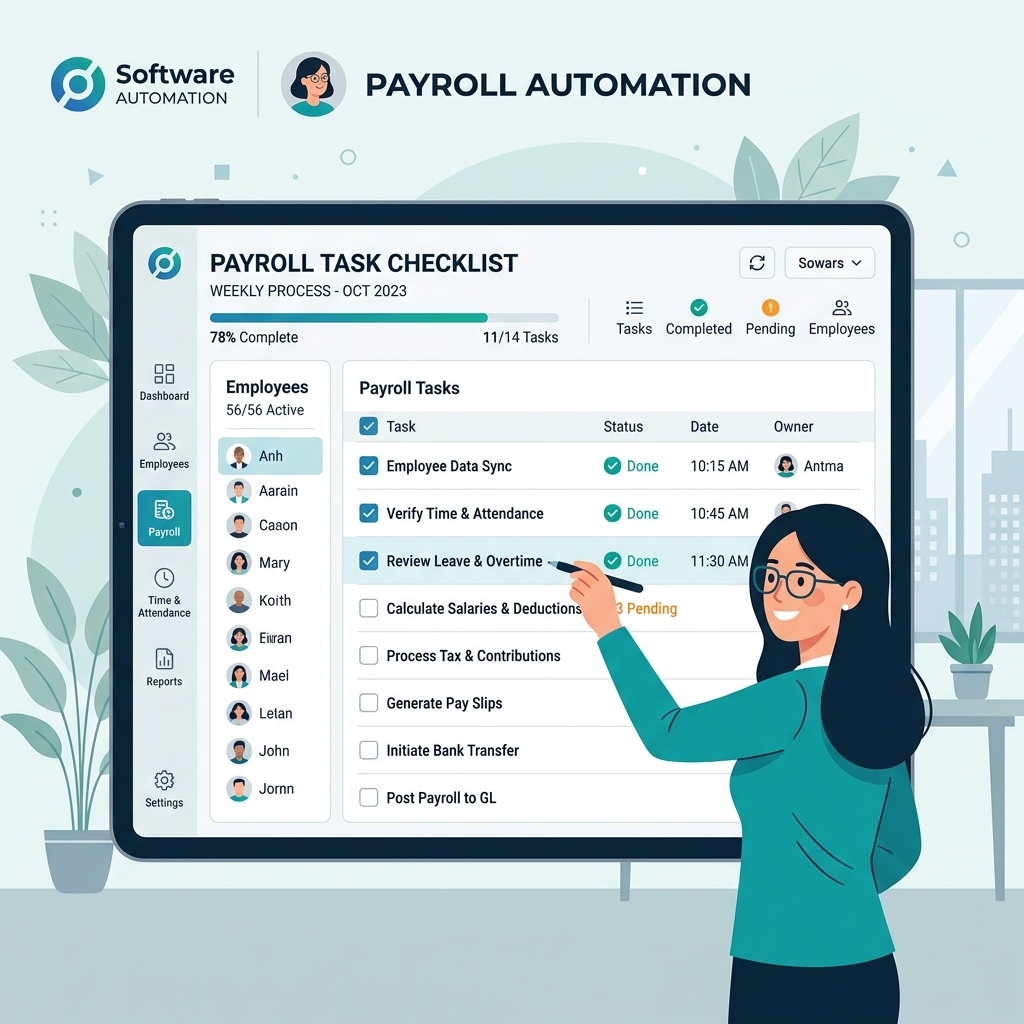
Algorithmic Configuration and Compliance Mapping
Following the establishment of a pristine data foundation, the next crucial item on the checklist involves the painstaking configuration of the automated calculation engine to ensure its logic perfectly mirrors the incredibly complex, often idiosyncratic compensation structures specific to the organization's unique operational requirements. This involves translating deeply nuanced organizational policies regarding overtime multipliers, commission structures, performance-based bonuses, and variable deduction brackets into a rigorously structured algorithmic format that can be reliably executed thousands of times per second without exhibiting any statistical deviation.
Concurrently, HR managers must collaborate extensively with their legal and financial counterparts to comprehensively map all relevant local, state, and federal taxation regulations onto the automated system's compliance framework, ensuring that the software is explicitly programmed to automatically update its internal calculation parameters in response to any externally mandated legislative modifications. By proactively hardcoding these compliance constraints into the very architecture of the payroll system, organizations effectively immunize themselves against the devastating financial and reputational consequences of inadvertently violating continuously evolving regulatory standards.
3. The Pre-Processing Execution Checklist
With the foundational infrastructure firmly established and rigorously validated, HR professionals must then transition their focus toward the immediate prerequisites necessary for executing a flawless monthly payroll run, utilizing a strict procedural checklist to systematically eliminate any lingering variables that could potentially disrupt the automated pipeline. This phase represents the final opportunity for human administrators to intercept and rectify any subtle anomalies before they are irreversibly magnified by the sheer velocity and scale of the automated dispatch mechanisms.
- Attendance and Timesheet Reconciliation: Systematically verify that all integrated time-tracking applications have successfully transmitted their final, approved datasets to the centralized payroll engine, explicitly identifying and resolving any unapproved overtime requests or suspicious temporal anomalies.
- Variable Compensation Verification: Meticulously audit the calculations for all non-standard financial distributions, including quarterly performance bonuses, sales commissions, and expense reimbursements, ensuring they have been accurately appended to the correct employee profiles.
- Tax Bracket and Deduction Confirmation: Confirm that the system has correctly assimilated the most recent legislative updates regarding taxation brackets, social security contributions, and mandatory healthcare deductions across all applicable geographic jurisdictions.
- Security and Encryption Readiness: Ensure that the sophisticated cryptographic protocols responsible for securing the generated PDF payslips are fully operational, verifying that the unique, employee-specific passwords have been correctly mapped and formulated according to the organization's security policy.
The meticulous execution of this pre-processing checklist serves as an impenetrable firewall against the dissemination of inaccurate financial information, effectively guaranteeing that the automated system operates upon a flawlessly curated dataset that perfectly reflects the organization's current operational reality. Neglecting even a single component of this preparatory sequence can result in a catastrophic cascade of errors that necessitates days of manual remediation, completely neutralizing the inherent efficiency benefits that initially motivated the transition to an automated architecture.
4. Orchestrating the Automated Dispatch Sequence
The actual execution of the automated payroll generation and dispatch sequence should theoretically be the most straightforward phase of the entire process, provided that the preceding checklist items have been rigorously adhered to; however, it remains absolutely critical for HR administrators to actively monitor the system's telemetry during this phase to rapidly identify and remediate any unpredictable environmental failures. Advanced desktop generation software provides a comprehensive suite of real-time analytical tools that allow operators to visually track the progress of the batch processing engine, instantaneously identifying any transient SMTP connection timeouts, network interruptions, or localized processing bottlenecks.
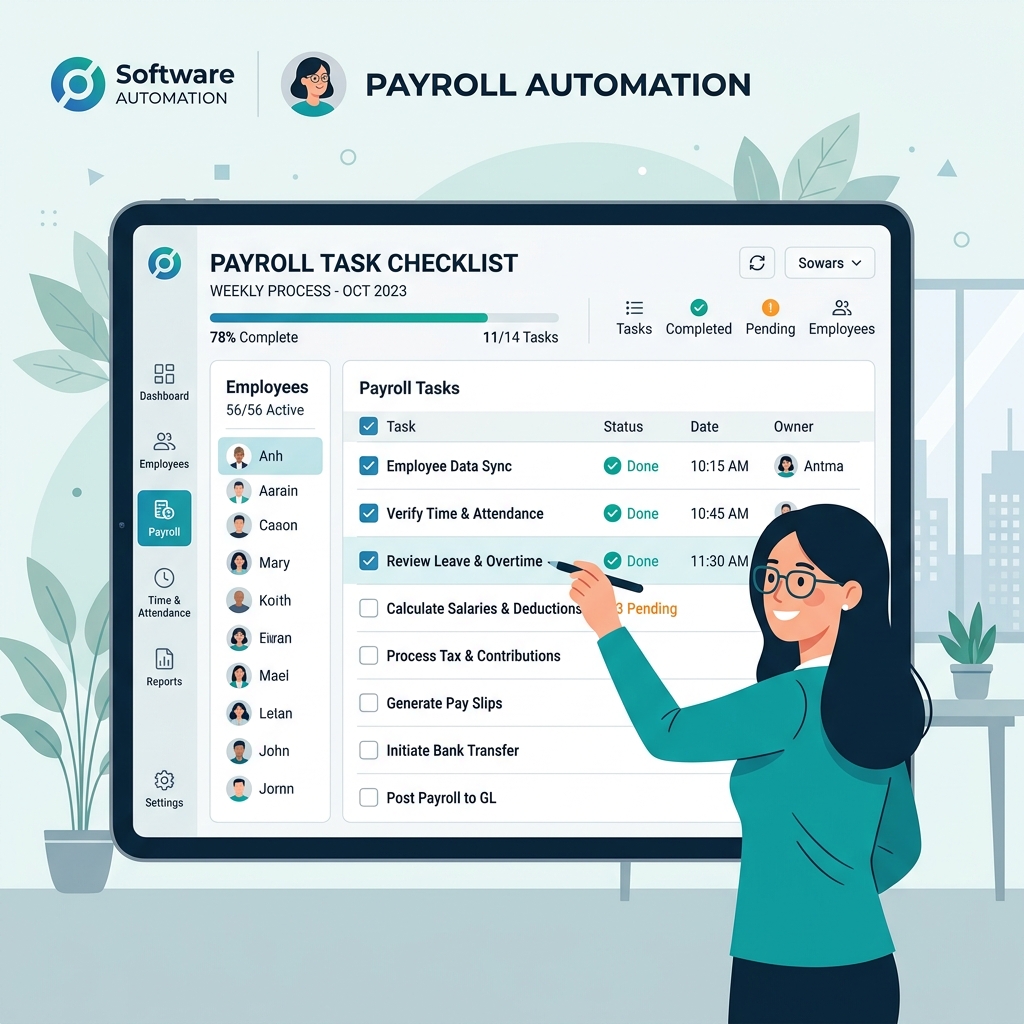
Unlike obsolete mail-merge methodologies that blindly transmit sensitive documentation without any capability for closed-loop verification, modern automated systems actively interrogate the recipient's mail server to definitively confirm the successful delivery of every single encrypted payslip. If an anomalous event occurs—such as a corporate firewall abruptly blocking incoming attachments or an employee's mailbox unexpectedly reaching its storage capacity—the software immediately flags the specific failure on a centralized dashboard, allowing the HR administrator to leverage a powerful "one-click retry" mechanism that intelligently targets only the failed deliveries without unnecessarily burdening the network by re-transmitting the entire batch.
This level of granular, real-time observability is absolutely indispensable for maintaining the extraordinarily high standards of reliability and professionalism expected of contemporary human resources departments, ensuring that the inevitable, unpredictable friction associated with large-scale digital communication is seamlessly managed without inducing any noticeable delays or disruptions for the end recipient. By continuously monitoring these sophisticated telemetry streams, HR managers can proactively guarantee that every single employee receives their critical financial documentation exactly when they expect it, thereby reinforcing the foundational trust that underpins a healthy, productive organizational culture.
5. Post-Processing Audit and Continuous Optimization
The completion of the automated dispatch sequence does not signify the conclusion of the HR manager's responsibilities; rather, it initiates a critical post-processing phase dedicated to systematically auditing the system's performance, identifying subtle inefficiencies, and continuously refining the underlying logic to ensure an even smoother execution during the subsequent cycle. The final items on this comprehensive automation checklist demand a rigorous review of all generated logs, a meticulous reconciliation of the digital disbursement records against the organization's master banking ledgers, and a proactive solicitation of feedback from the broader employee base regarding their experience with the newly implemented digital delivery mechanism.
By adopting a philosophy of relentless, incremental improvement, human resources departments can gradually transform their automated payroll systems into highly sophisticated, virtually autonomous financial engines that consistently operate with unparalleled precision and reliability, completely eradicating the chronic anxiety and administrative exhaustion that historically plagued this essential corporate function. This ongoing commitment to optimization not only maximizes the return on investment associated with the initial deployment of the automation software but also solidifies the HR department's reputation as a forward-thinking, strategically vital component of the organization's broader success.
Streamline Your Workflow Today
Stop relying on chaotic spreadsheets and obsolete mail-merge techniques. Upgrade to a professional, incredibly fast automated system that practically runs itself while keeping you in total control.
Download a free checklist and try the software.Conclusion
The journey toward comprehensive payroll automation is undoubtedly complex, requiring a substantial initial investment of time, resources, and strategic planning; however, the long-term dividends in the form of completely eliminated administrative errors, drastically reduced compliance risks, and significantly improved employee morale far outweigh the temporary friction associated with the transition. By rigorously adhering to this exhaustive, multi-faceted checklist, forward-thinking HR managers can confidently navigate the perilous transition away from obsolete manual workflows, ultimately establishing a resilient, highly scalable financial infrastructure capable of effortlessly supporting their organization's most ambitious growth objectives well into the future.