
Why Password-Protected Payslips Should Be Standard Practice
Key Takeaways
- ✓Payslips contain highly sensitive PII (bank details, tax IDs, salary data), making unencrypted email distribution a severe risk for identity theft and data leaks.
- ✓Global privacy regulations like GDPR and CCPA require technical safeguards for personal financial data; sending unencrypted payslips risks heavy non-compliance penalties.
- ✓Dynamic, algorithmic passwords (e.g., combining birth year and employee ID digits) provide AES-256 protection without requiring HR to manually manage separate password files.
- ✓Automated payroll tools like PayslipGen generate individually encrypted PDF payslips in bulk, streamlining secure delivery with zero added administrative overhead.
In an era defined by relentless digital transformation and increasingly sophisticated cyber threats, the protection of sensitive employee information has transitioned from a best practice into an absolute, non-negotiable imperative. Among the myriad of documents handled by human resources and payroll departments, the payslip stands out as one of the most concentrated repositories of personally identifiable information (PII). It contains not only an employee's full name and home address, but also their tax identification numbers, bank account details, granular salary breakdowns, and often, secondary inferences about their marital status or healthcare choices. Despite this extraordinary density of sensitive data, an alarming number of organizations continue to distribute payslips via unencrypted, plain-text emails—a practice that exposes both the employee to identity theft and the employer to catastrophic legal and reputational damage. This comprehensive analysis will explore why password-protected payslips must urgently become the foundational standard for every modern organization, irrespective of its size or industry sector.
The fundamental architecture of standard email protocols was never designed with robust security in mind. When an HR administrator hits "send" on a bulk payroll run containing unencrypted PDF attachments, those documents traverse multiple servers, networks, and potential interception points before finally arriving in the employee's inbox. At any stage of this transmission journey, malicious actors utilizing relatively rudimentary packet-sniffing tools could potentially intercept and duplicate these unencrypted files. Furthermore, the vulnerability extends far beyond external cybercriminals. Internal threats—whether intentional or accidental—pose an equally significant risk. An innocent typographical error in a spreadsheet could result in an executive's highly confidential compensation package being mistakenly delivered to a junior intern, creating immediate organizational friction and violating profound confidentiality expectations. The sheer volume of these transactions multiplies the probability of a critical breach occurring, making the status quo mathematically unsustainable over a long enough timeline.
Try Our Interactive Demo Instantly
Want to see how an offline-capable, client-side payslip generator works in practice? Try our brand-new interactive demo right in your browser. Upload a sample CSV, map your columns, and generate beautifully designed PDF payslips—with zero data ever being transmitted to our servers.
Launch Free Demo Now
The Anatomy of Payroll Vulnerability
To truly comprehend the necessity of password-protected payslips, one must first deconstruct the anatomy of payroll vulnerability and understand exactly what is at stake when a payslip falls into the wrong hands. A standard payslip is essentially a comprehensive blueprint for identity theft. With the information contained on a single monthly statement, a sufficiently motivated malicious actor could theoretically open fraudulent credit accounts, file false tax returns to claim illicit refunds, or engage in highly targeted spear-phishing campaigns against the affected individual. The aggregation of banking details, national insurance or social security numbers, and precise residential addresses creates a perfect storm of exploitable data points. For the employee, the fallout from such an event can result in years of financial distress, damaged credit scores, and an overwhelming administrative burden to reclaim their stolen identity.
Beyond the immediate threat of identity theft, the lack of password protection significantly amplifies the risk of what cybersecurity professionals refer to as "casual exposure." Consider the modern workplace environment, characterized by open-plan offices, shared devices, and the increasingly prevalent work-from-home paradigm where professional and personal spaces seamlessly intersect. An employee might temporarily step away from their unlocked laptop while at a crowded coffee shop, leaving their inbox visible to opportunistic onlookers. Alternatively, a spouse or family member sharing a home computer might inadvertently open an unencrypted payroll attachment, discovering sensitive financial details that were meant to remain strictly confidential. Password protection mitigates these risks by explicitly requiring an active, intentional authentication step before the document's contents are rendered readable, thereby neutralizing the threat of casual exposure and ensuring that only the intended recipient can access the file, even if the surrounding physical or digital environment is compromised.
The Cost of Inaction
Failing to implement robust encryption protocols for payroll distribution is not merely a technological oversight; it is a profound dereliction of duty that leaves organizations highly susceptible to devastating financial penalties, particularly under stringent data protection frameworks that mandate the secure processing of personal information.
Navigating the Complex Web of Global Data Privacy Regulations
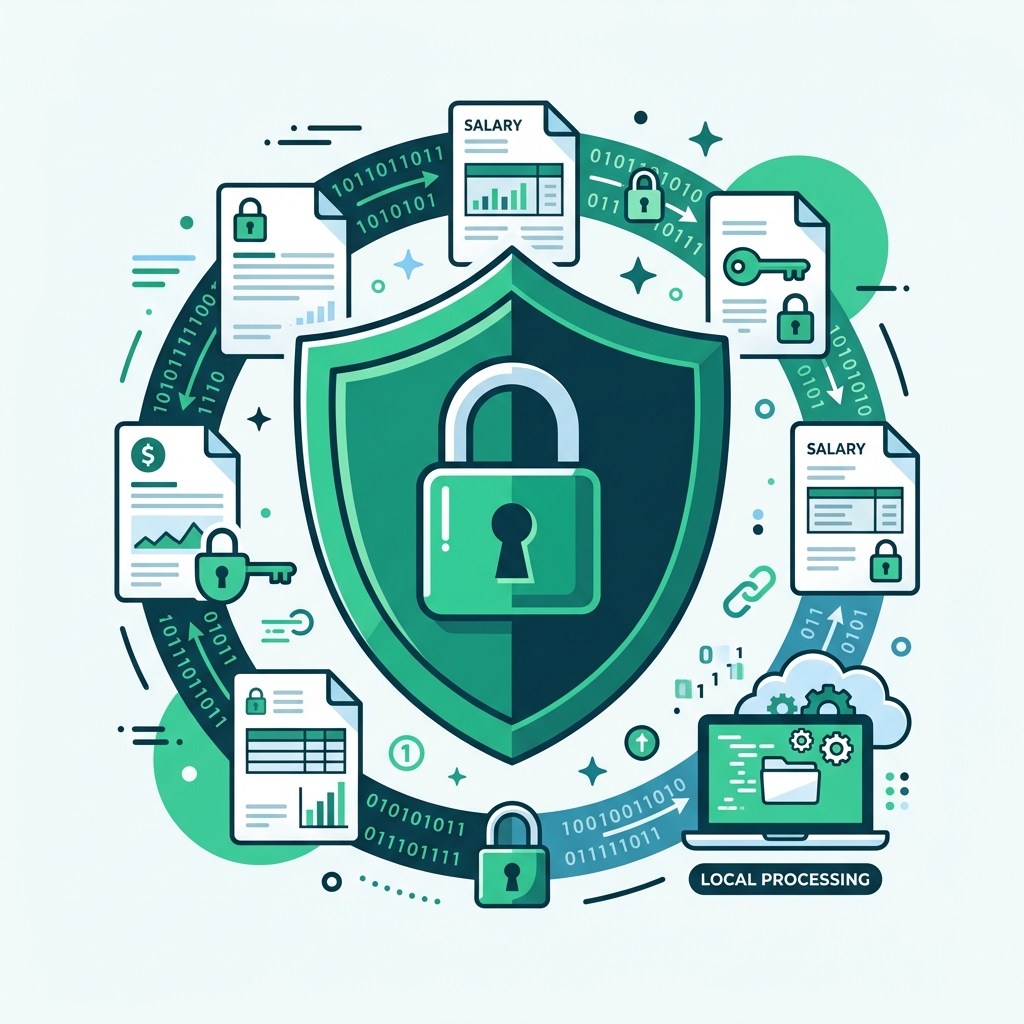
The regulatory landscape governing data privacy has undergone a seismic shift over the past decade, transforming the implementation of robust security measures from a highly recommended best practice into an uncompromising legal obligation. Frameworks such as the General Data Protection Regulation (GDPR) in the European Union, the California Consumer Privacy Act (CCPA) in the United States, and various equivalent legislations across the globe share a common underlying principle: organizations that collect, process, or store personally identifiable information are legally bound to implement appropriate technical and organizational measures to ensure a level of security appropriate to the associated risk. When evaluated through this strict legal prism, the practice of distributing unencrypted payslips containing highly sensitive financial data is almost universally recognized as a glaring compliance failure that invites severe regulatory scrutiny.
Under GDPR, for example, the concept of "data protection by design and by default" explicitly demands that organizations proactively integrate security measures into their processing activities. The transmission of unencrypted payroll documents fundamentally violates this principle by exposing personal data to unnecessary and easily avoidable risks during transit and storage. Regulatory bodies have demonstrated an increasing willingness to levy substantial fines against organizations that demonstrate negligence in their data handling practices, particularly when a breach could have been easily prevented through the implementation of standardized encryption protocols. By mandating password protection for all distributed payslips, organizations can establish a defensible compliance posture, demonstrating to auditors and regulatory authorities that they have taken proactive, concrete steps to safeguard employee data in accordance with statutory requirements.
Furthermore, the financial implications of non-compliance extend far beyond direct regulatory fines. In the event of a data breach stemming from unencrypted payroll distributions, organizations frequently incur exorbitant secondary costs associated with forensic investigations, mandatory breach notification procedures, legal defense fees, and the provision of extended credit monitoring services for affected employees. These cascading financial liabilities can rapidly overwhelm the operational budgets of small and medium-sized enterprises, potentially threatening their ongoing commercial viability. Investing in a streamlined, automated system for generating and distributing password-protected payslips is, therefore, not simply a technological upgrade; it is a highly cost-effective risk mitigation strategy that protects the organization's bottom line against the catastrophic financial fallout of a totally preventable data breach.
The Psychological Impact on Employees and Corporate Trust
While the technical and regulatory arguments for password-protecting payslips are unequivocally compelling, the psychological impact on the workforce is arguably an equally critical consideration that is frequently overlooked by executive leadership. The employment relationship is fundamentally predicated on a foundation of mutual trust and respect. Employees entrust their organizations with their most sensitive personal and financial information, operating under the implicit assumption that the employer will act as a responsible and diligent steward of that data. When an organization demonstrates a cavalier attitude toward data security by distributing unprotected payslips, it inadvertently sends a powerful, negative message to its workforce: that their privacy is not considered a paramount priority, and that the organization is unwilling to invest the necessary resources to protect them from preventable harm.
This erosion of trust can have profound and far-reaching consequences for organizational culture, employee morale, and long-term retention rates. In a highly competitive talent market, prospective and current employees are increasingly evaluating potential employers based not only on compensation and traditional benefits, but also on the organization's ethical compass and commitment to progressive workplace practices. A company that visibly prioritizes data security by implementing rigorous password protection protocols for all sensitive HR communications cultivates an environment of psychological safety, demonstrating a tangible commitment to the holistic well-being of its workforce. This proactive approach fosters deeper employee loyalty, enhances the organization's reputation as a premium employer brand, and serves as a powerful differentiator in the ongoing battle for top-tier talent.
Conversely, the occurrence of a payroll-related data breach—even an internal one caused by a simple misdirected email—can permanently shatter the fragile bonds of trust between employees and management. When individuals discover that their private financial details have been exposed to unauthorized colleagues due to a lack of basic encryption, the resulting feelings of vulnerability, embarrassment, and resentment can severely damage team cohesion and productivity. Rebuilding trust in the aftermath of such an incident is an extraordinarily difficult and time-consuming endeavor that frequently requires widespread leadership changes and exhaustive transparency initiatives. By proactively standardizing password-protected payslips, organizations can effectively inoculate themselves against these toxic cultural outcomes, preserving a positive, trusting, and highly engaged workforce.
Standardizing Password-Protected Payslips
Transitioning to a standardized protocol of password-protecting all distributed payslips requires a deliberate, strategic approach that balances robust security requirements with seamless operational efficiency. Historically, the primary barrier to widespread adoption of payload encryption within HR departments has been the perceived administrative overhead associated with manually generating and communicating unique passwords for each individual employee. Attempting to manage this process using rudimentary spreadsheets or ad-hoc email communications is a notoriously fragile and error-prone methodology that frequently results in increased support tickets and frustrated employees unable to access their critical financial documents on payday. To overcome these logistical hurdles, organizations must leverage advanced, purpose-built payroll automation software capable of orchestrating complex encryption workflows with zero human intervention.
The most effective and widely adopted methodology for implementing password protection at scale involves the utilization of dynamic, algorithmically generated passwords derived from specific combinations of the employee's existing personal data. For example, a system might be configured to automatically encrypt each payslip PDF using a password composed of the last four digits of the employee's social security number, concatenated with their birth year and the first three letters of their surname. This approach provides a remarkably elegant solution to the distribution challenge, as it completely eliminates the need for HR administrators to securely transmit separate password notifications to the workforce. Because the employees already possess the prerequisite knowledge required to construct the password, they can intuitively unlock their documents immediately upon receipt, dramatically reducing the administrative burden on support teams while simultaneously maintaining a highly secure authentication mechanism.
However, it is crucial to recognize that not all password generation strategies are created equal, and organizations must carefully select data points that strike an appropriate balance between usability and cryptographic strength. Utilizing overly simplistic or easily guessable information—such as relying solely on the employee's date of birth or a generic company-wide password—severely undermines the fundamental purpose of the encryption, rendering the documents vulnerable to rudimentary brute-force attacks or casual guessing by malicious insiders. Therefore, best practices dictate the use of robust, individualized data combinations that are virtually impossible to infer without authorized access to the employee's highly restricted personnel file, ensuring that the password protection provides a genuinely impenetrable barrier against unauthorized access.
Implementing Encryption Without Operational Overhead
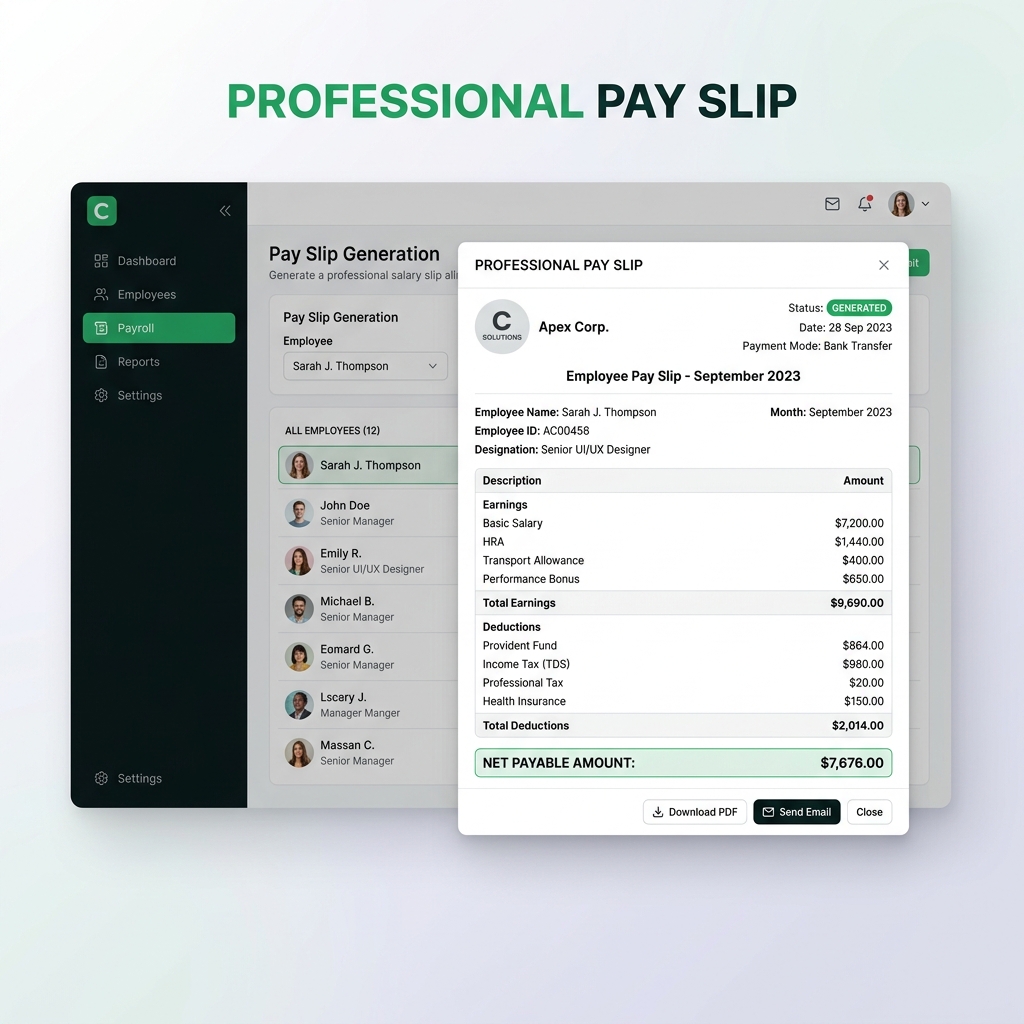
The deployment of modern, specialized payroll distribution platforms has revolutionized the process of implementing standardized password protection, transforming what was once a complex logistical challenge into an entirely frictionless, automated workflow. Leading solutions are engineered specifically to integrate seamlessly with existing accounting systems and HR databases, ingesting raw payroll data and automatically generating highly customized, impeccably formatted PDF payslips for the entire workforce in a matter of seconds. During this automated generation process, the software dynamically applies military-grade AES-256 encryption to each individual file, instantaneously locking the document using the precisely configured, employee-specific password algorithms discussed previously. This sophisticated automation ensures that security is fundamentally woven into the fabric of the distribution process, rather than being treated as a cumbersome, bolted-on afterthought.
By relying on these advanced technological solutions, HR administrators are completely liberated from the tedious, repetitive tasks associated with manual document encryption, allowing them to redirect their valuable time and expertise toward more strategic, high-impact organizational initiatives. The software handles the entire lifecycle of the payslip distribution, from initial generation and encryption to the final secure transmission via optimized SMTP channels. Furthermore, these platforms typically provide comprehensive, real-time telemetry dashboards that offer unprecedented visibility into the delivery status of every single document, instantly flagging any bounced emails or connection timeouts and allowing administrators to proactively resolve delivery issues before they escalate into disruptive employee complaints.
Ultimately, the decision to implement automated, password-protected payslips represents a profound commitment to operational excellence, uncompromising data privacy, and the holistic well-being of the workforce. It is an acknowledgment that in our hyper-connected digital landscape, standard email protocols are entirely insufficient for the transmission of sensitive financial data, and that organizations have a fundamental, non-negotiable responsibility to deploy appropriate technological safeguards. For large teams, our enterprise payslip automation offers enhanced security controls.
Secure Your Payroll Data Today
Protect your employees' most sensitive financial information with military-grade security. Upgrade to a smarter workflow that respects privacy and ensures absolute compliance.
Automatic PDF encryption included.Conclusion
In conclusion, the practice of distributing unprotected payslips represents an unacceptable and deeply irresponsible gamble with the personal and financial security of an organization's most valuable asset: its people. The intersection of escalating cyber threats, increasingly stringent global data privacy regulations, and the profound psychological importance of corporate trust demands a paradigm shift in how HR departments manage sensitive document distribution. Password-protected payslips are no longer a luxury or an optional best practice; they are the absolute minimum standard required to operate responsibly in the modern digital economy. By leveraging advanced automation software, organizations can easily and cost-effectively implement robust AES-256 encryption across their entire payroll workflow, eliminating administrative overhead while ensuring absolute compliance and unshakeable data security. The transition to standardizing password-protected payslips is a critical imperative that will define the most resilient, trustworthy, and successful organizations of the future.