
S-Corp Owner Paystub Generator: Create Compliant Reasonable Salary Paystubs Without Monthly SaaS Fees
Key Takeaways
- ✓IRS Reasonable Compensation Mandate: Operating an S-Corporation requires shareholder-employees who provide substantial services to pay themselves a fair W-2 market wage before taking non-wage shareholder distributions (IRC § 3121).
- ✓The $600–$1,000/Year Solo SaaS Tax: Mainstream cloud payroll providers (Gusto, QuickBooks Payroll, ADP Run) charge hefty monthly base subscriptions and per-seat fees simply to process static, unchanging monthly or quarterly paychecks for a single owner-employee.
- ✓Underwriter & Lender Verification: Mortgage underwriters (Fannie Mae / Freddie Mac Form 1005), commercial landlords, and auto lenders demand consecutive, itemized W-2 paystubs with YTD withholdings, rather than casual bank transfers or annual K-1 estimates.
- ✓Complete Offline Desktop Ownership: Using an Excel calculation template paired with PayslipGen, solo S-Corp owners can generate bank-ready, AES-256 encrypted PDF paystubs locally in seconds for a single one-time payment of $49—saving thousands over their business lifecycle.
Electing S-Corporation tax status under IRS Form 2553 is widely regarded as one of the most effective tax optimization strategies for profitable single-member LLCs, solo software consultants, independent agency owners, and specialized freelancers. By partitioning your net business earnings into W-2 employee salary and shareholder distributions, you legally eliminate the 15.3% Self-Employment (FICA) tax on all profits distributed beyond your salary.
However, the moment you transition into an S-Corp, you enter a dual legal persona: you are no longer just the owner; you are also a statutory W-2 employeeof your own corporate entity. With that status comes the strict legal requirement to establish a defensible "Reasonable Compensation" salary, withhold federal and state payroll taxes, and maintain clear, verifiable paystub records.
To satisfy this administrative requirement, hundreds of thousands of solo business owners reflexively sign up for cloud payroll software like Gusto, QuickBooks Online Payroll, or ADP. But when your payroll consists of exactly one person (yourself) receiving an identical, static paycheck once a month or once a quarter, paying $50 to $90 every single month for cloud software is an expensive, unnecessary overhead.
In this comprehensive guide, we unpack the exact IRS rules governing S-Corp owner compensation, deconstruct the formula for calculating defensible reasonable salary, analyze lender proof-of-income requirements, and demonstrate how you can generate compliant, itemized, password-protected PDF paystubs from your own spreadsheet using PayslipGen—completely offline, with zero recurring monthly SaaS fees.
Try Our Interactive Demo Instantly
Want to see how an offline-capable, client-side payslip generator works in practice? Try our brand-new interactive demo right in your browser. Upload a sample CSV, map your columns, and generate beautifully designed PDF payslips—with zero data ever being transmitted to our servers.
Launch Free Demo NowChapter 1: The IRS Reasonable Compensation Mandate (IRC § 3121)
Why does the Internal Revenue Service care so deeply about how S-Corp owners pay themselves? The answer lies in the fundamental mechanics of the Federal Insurance Contributions Act (FICA).
In a standard Sole Proprietorship or Single-Member LLC, 100% of your net business profit is subject to the 15.3% Self-Employment tax (12.4% Social Security up to the annual wage cap, plus 2.9% uncapped Medicare). In an S-Corporation, however, only the W-2 salary is subject to FICA taxes. Any remaining net profit distributed to you as a shareholder distribution (reported on IRS Schedule K-1 and Form 1040 Schedule E) is exempt from FICA.
If the IRS permitted S-Corp owners to pay themselves $0 in W-2 wages and take 100% of their $150,000 profit as distributions, the government would lose out on thousands of dollars in Medicare and Social Security funding. Consequently, under IRC Section 3121(d) and multiple landmark tax court precedents, corporate officers who perform substantial services for the corporation must be compensated with reasonable W-2 wages before any distributions can be drawn.
The Three-Tier Multi-Factor Test for Reasonable Salary
The IRS does not specify a single flat percentage rule (such as the widespread myth of the "60/40 rule"). Instead, tax courts evaluate whether your compensation is defensible using the Multi-Factor Approach established in landmark cases like David E. Watson, P.C. v. United States and Glass Blocks Unlimited v. Commissioner:
- Training, Specialized Skills & Experience: Your education, technical certifications, and years of industry domain expertise.
- Nature, Extent & Scope of Duties: In a solo enterprise, the owner frequently wears many hats—executive strategist, lead developer/consultant, administrative clerk, and salesperson. The salary must reflect the blended market rate for these combined roles.
- Time & Effort Devoted to the Business: Full-time active commitment (40+ hours/week) versus passive oversight (5 hours/month).
- Dividend & Distribution History: Taking $180,000 in distributions while paying yourself a token $15,000 salary is a glaring red flag for an IRS correspondence audit.
- Comparable Compensation in Similar Businesses: What an independent third-party company would pay an unrelated employee to perform identical duties in your geographic area, referenced through Bureau of Labor Statistics (BLS) or salary benchmarks.
- Capital Investment vs. Personal Services: If your company produces revenue through expensive machinery, inventory, or independent subcontractors, a higher portion of profits can be attributed to capital returns (distributions). If your revenue is 100% derived from your personal intellectual services, your reasonable compensation must be correspondingly higher.
Chapter 2: The Two-Bucket Architecture: W-2 Salary vs. Shareholder Distributions
To maintain audit-proof compliance, every S-Corp owner must rigorously maintain two separate financial channels. Mingling these streams or writing informal memo checks labeled "draw" without running official payroll creates catastrophic tax liabilities and threatens your limited liability corporate veil.
| Evaluation Criteria | W-2 Officer Salary (Reasonable Compensation) | Shareholder Equity Distribution (K-1 Passthrough) |
|---|---|---|
| Legal Designation | Officer / Employee Compensation | Return on Equity / Profit Distribution |
| Tax Withholding | Mandatory FICA (15.3%) + Fed/State Income Tax | ZERO FICA withholding ($0.00) |
| Required Documentation | Itemized Paystubs, Form 941, Form 940, Form W-2 | Corporate Resolution / Ledger, Schedule K-1 |
| Payment Frequency | Regular schedule (Monthly, Semi-Monthly, Quarterly) | Flexible (As cash flow allows, after payroll is funded) |
| Corporate Tax Deductibility | 100% Tax-deductible business expense on Form 1120-S | Not a business expense (Reduces shareholder basis) |
| Retirement & Solo 401(k) Base | Qualifies for Solo 401(k) employee deferral & match | Does NOT qualify as earned compensation |
| Mortgage Underwriter View | Primary verifiable income (Form 1005 / W-2 stubs) | Averaged over 2 years of tax returns with K-1 scrutiny |
Statutory Payroll Taxes Calculated on S-Corp Paystubs
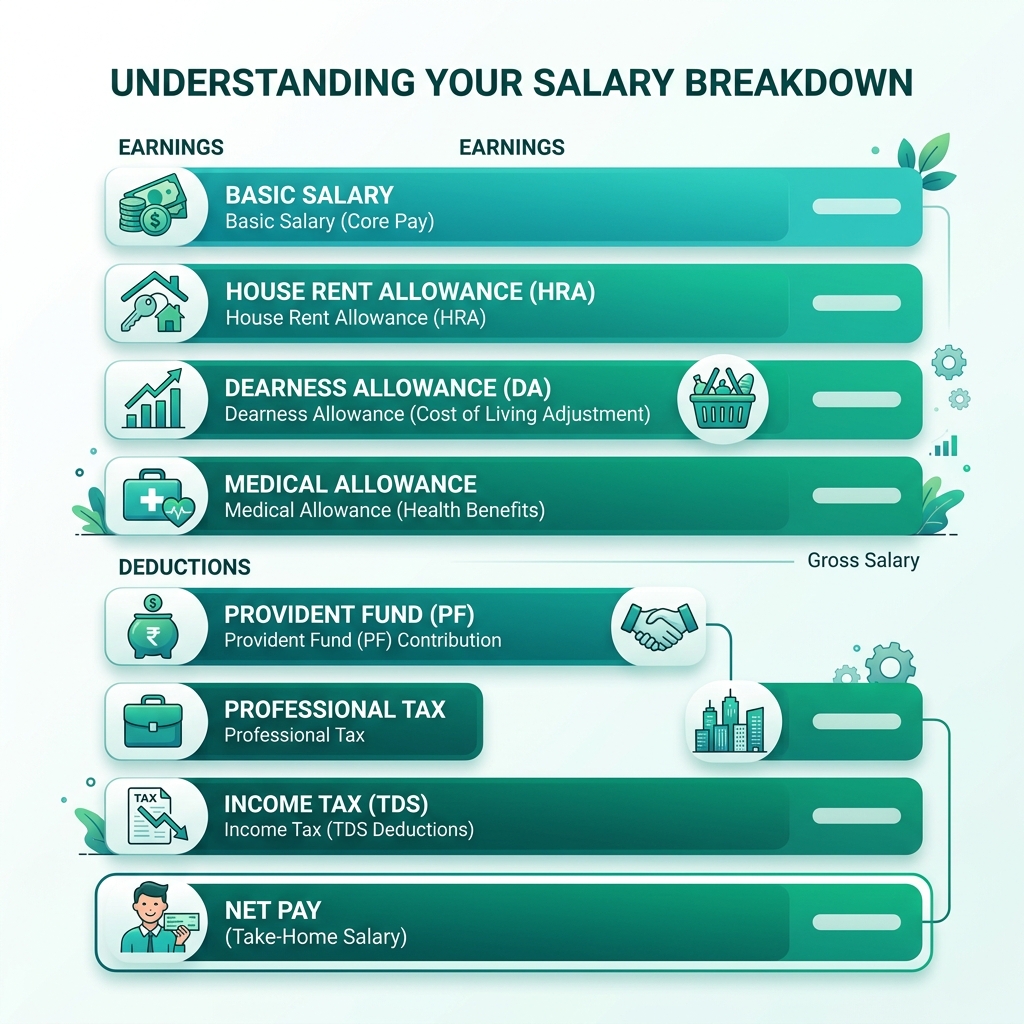
When formulating your S-Corp paystub, you must account for both the Employee Withholdings (deducted from your gross pay) and the Employer Matching Contributions (paid by the corporate entity):
- Social Security Tax (OASDI):
- Employee Share: 6.2% of gross salary up to the annual Social Security wage base limit.
- Employer Share: 6.2% matching contribution paid by the S-Corp.
- Medicare Tax (HI):
- Employee Share: 1.45% of all gross salary without any cap.
- Employer Share: 1.45% matching contribution paid by the S-Corp.
- Additional Medicare Tax: 0.9% employee withholding on wages exceeding $200,000 for single filers ($250,000 for married filing jointly).
- Federal Income Tax (FIT): Calculated based on your IRS Form W-4 elections (marital status, allowances, extra withholding).
- Federal Unemployment Tax Act (FUTA): 0.6% effective rate paid by the S-Corp on the first $7,000 of annual officer wages (reported annually on IRS Form 940).
- State & Local Taxes (SIT / SUTA): Applicable state income tax withholding, State Unemployment Insurance (SUTA), and mandatory state disability or paid family leave programs.
Special Note on >2% Shareholder Health Insurance (IRS Notice 2008-1)
If your S-Corp pays for or reimburses your personal health insurance premiums as a greater than 2% shareholder, tax regulations require these premium amounts to be included in Box 1 (Wages) of your Form W-2. Crucially, while this amount is subject to Federal Income Tax withholding, it is exempt from Social Security and Medicare (FICA) taxes. Maintaining an accurate paystub breakdown guarantees this calculation is properly recorded for your CPA at year-end.
Chapter 3: The Subscription Trap - Why Paying Monthly SaaS for Solo Payroll is Wasteful
In the modern HR software ecosystem, cloud payroll companies have engineered pricing structures tailored for enterprise human resource departments. However, for a solo S-Corp owner-employee, these subscription fees represent pure margin loss with near-zero added utility:
Annual Cost of Cloud Payroll Subscriptions for 1 Solo Owner
- Gusto Simple Plan:$40 base fee + $6/mo per person = $46/month ($552/year)
- QuickBooks Online Payroll Core:$45 base fee + $6/mo per person = $51/month ($612/year) (and up to $1,080/yr for Premium)
- ADP Run / Paychex Solo:Custom quotes typically starting at $65–$120/month ($780–$1,440/year)
- 10-Year Compounding Loss:$5,500 to $14,000+ drained from your business equity for static PDF generation.
Consider what a cloud payroll platform actually does for a solo S-Corp:
- You do not have variable shift hours or timecard punches.
- You do not have PTO accrual requests or manager approval chains.
- You do not need an employee onboarding portal or benefits enrollment kiosk.
- Your monthly gross wage is identical every single pay cycle (e.g., $6,000/month).
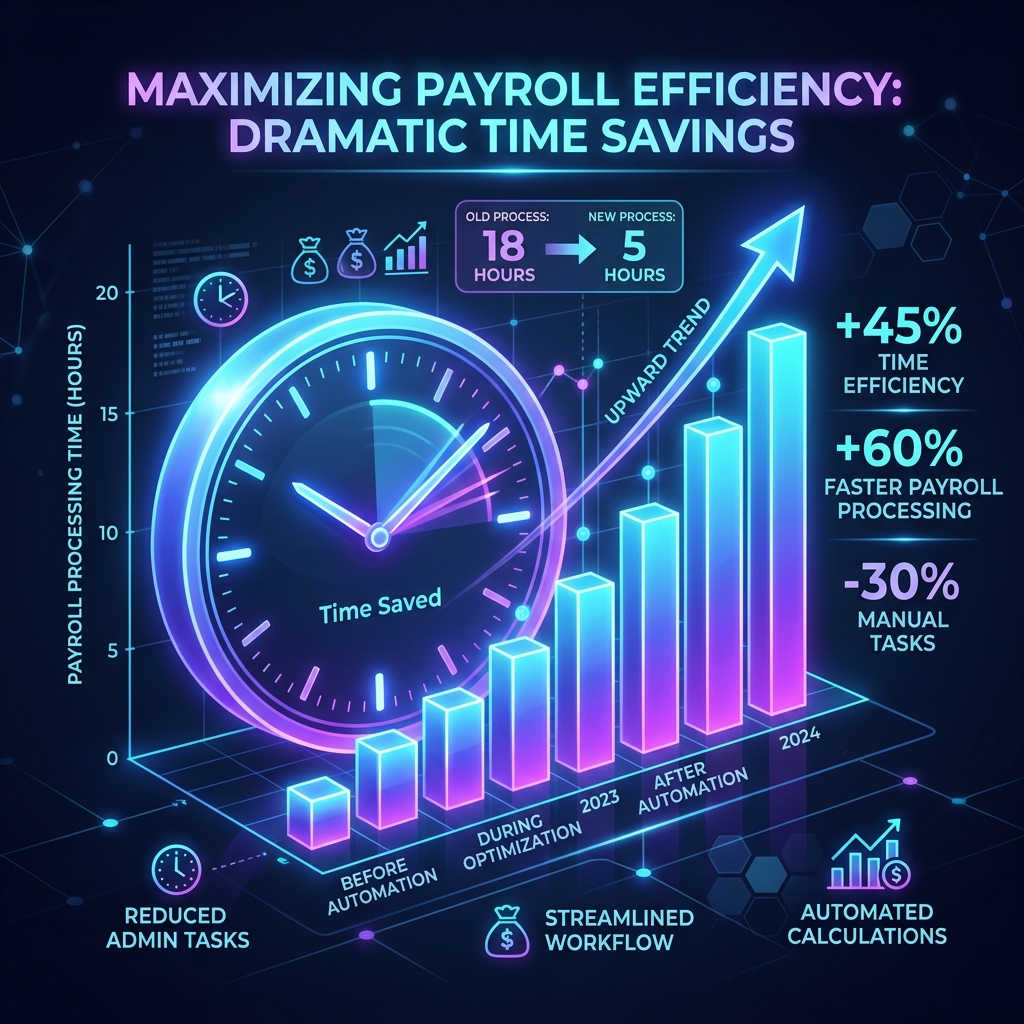
You are paying hundreds of dollars each year for a cloud server to calculate the same five math equations every month and output a PDF. By using a simple Excel calculation workbook paired with a one-time purchase desktop software like PayslipGen, you achieve identical mathematical accuracy and pristine PDF generation while completely eliminating recurring SaaS overhead.
Chapter 4: Why S-Corp Owners Urgently Need Formal, Itemized Paystubs
Many solo business owners assume that because they are the sole owner of their corporation, simply transferring funds between accounts with a bank memo is sufficient. This is a severe operational mistake that causes severe friction during major financial events:
1. Mortgage Underwriting (Fannie Mae & Freddie Mac Standards)
When applying for a conventional, FHA, or VA home mortgage, the lender's automated underwriting system (AUS) and human underwriters treat S-Corp owners with extreme scrutiny. Under Fannie Mae Selling Guide Section B3-3.2, self-employed borrowers must verify current income continuity:
- Underwriters require your last 30 to 60 days of consecutive, computer-generated W-2 paystubs.
- The paystubs must clearly display your corporation's legal name, federal EIN, gross earnings, itemized statutory tax deductions, and cumulative Year-to-Date (YTD) totals.
- Handwritten notes, casual spreadsheets, or raw bank deposit receipts are routinely rejected, triggering delayed closing dates or loan denials.
2. Commercial Real Estate & High-End Residential Leases
Corporate landlords and commercial property managers require verified proof of income equal to 3x to 4x monthly rent. Presenting professional, branded pay vouchers establishing steady executive salary gives leasing boards immediate confidence in your solvency.
3. Defending Your S-Corp in an IRS Audit
If the IRS initiates an audit regarding officer compensation (Form 1120-S Line 7 "Compensation of Officers"), revenue agents will demand contemporaneous payroll records. Having structured, time-stamped paystubs showing consistent tax withholdings matching your quarterly IRS Form 941 filings is primary defensive evidence that your compensation was regular, formal, and reasonable.
4. Maximizing Solo 401(k) & Defined Benefit Plan Contributions
For high-earning self-employed professionals, the Solo 401(k) allows total annual contributions exceeding $69,000 (plus catch-up contributions). However, the employee salary deferral portion ($23,000+) must be strictly deducted from actual W-2 wages, not distributions. Clear paystubs provide an indisputable audit trail for your plan administrator and custodian.
Chapter 5: Designing the Master S-Corp Payroll Spreadsheet
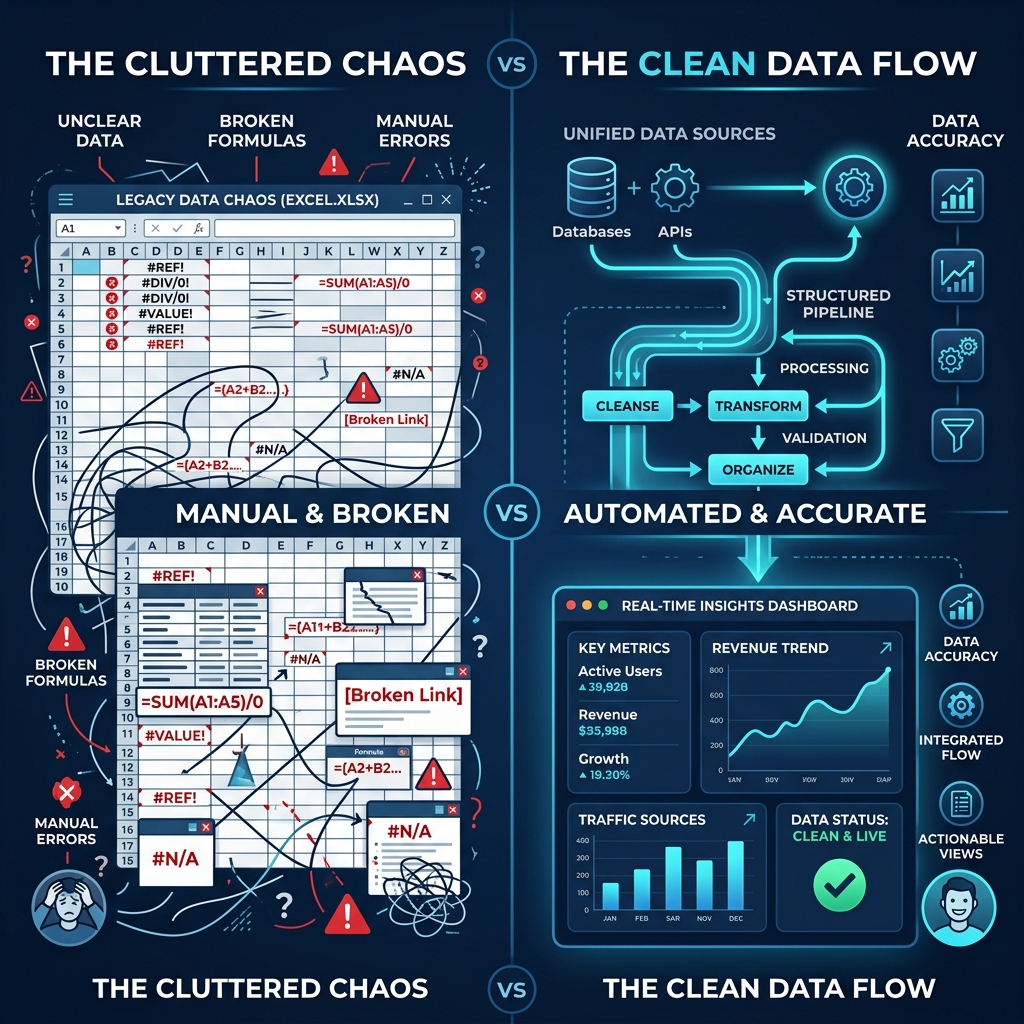
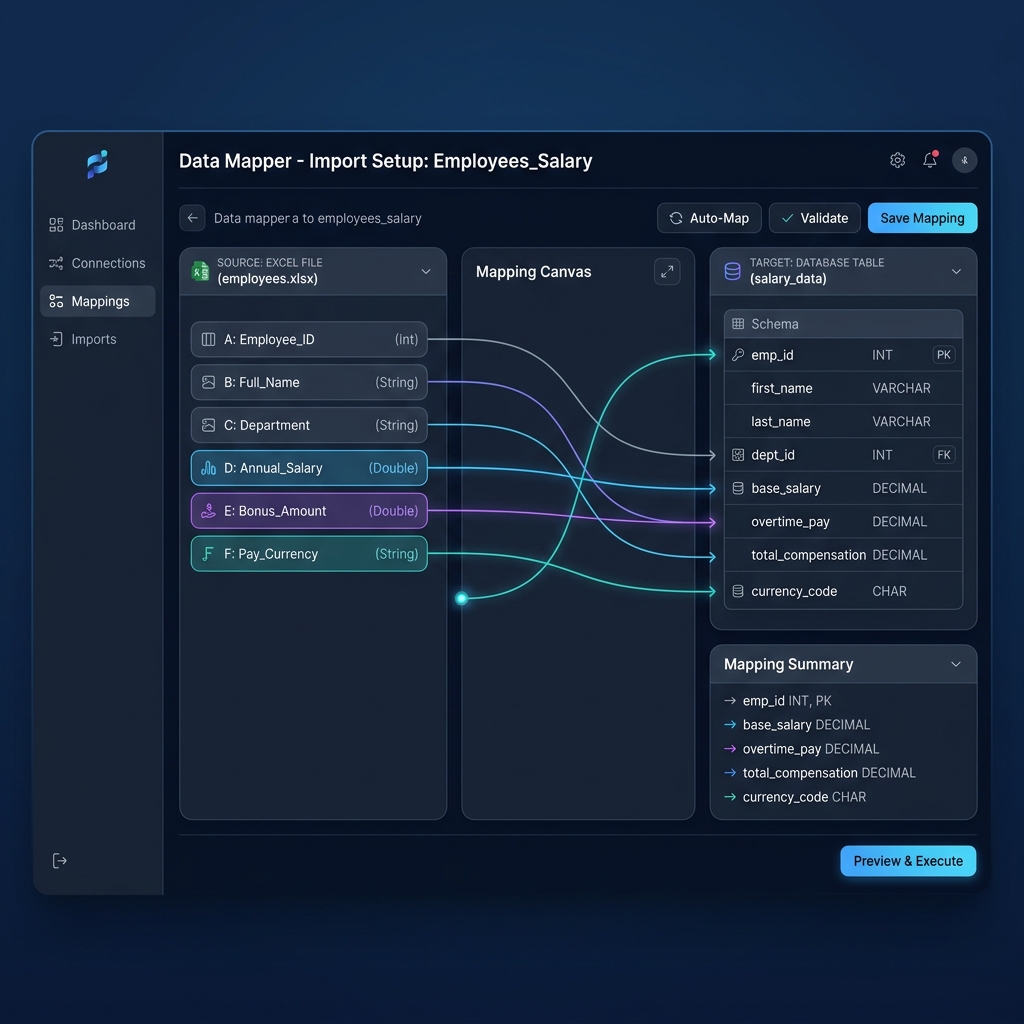
To run your own automated S-Corp payroll, you only need a clean master spreadsheet in Microsoft Excel, Apple Numbers, or Google Sheets. Below is the optimized schema tailored specifically for S-Corp shareholder-employees:
| Column Header | Sample Value | Calculation Formula / Explanation |
|---|---|---|
| Company_Name | Apex Cloud Consulting Inc. | Your legal registered S-Corp entity name |
| Company_EIN | XX-XXXXXXX | Employer Identification Number |
| Officer_Name | Marcus Vance, CEO | Shareholder-Employee name & executive title |
| Pay_Period | Aug 01, 2026 - Aug 31, 2026 | Monthly or quarterly payroll window |
| Pay_Date | 2026-08-31 | Official disbursement date |
| Gross_Salary | 6500.00 | Monthly reasonable base compensation |
| Fed_Income_Tax | 680.00 | Federal income tax withholding based on W-4 |
| Social_Security_Tax | 403.00 | =Gross_Salary * 0.062 (Employee share) |
| Medicare_Tax | 94.25 | =Gross_Salary * 0.0145 (Employee share) |
| State_Income_Tax | 260.00 | State withholding based on state tax tables |
| Total_Deductions | 1437.25 | =SUM(FIT + SocSec + Med + SIT) |
| Net_Pay | 5062.75 | =Gross_Salary - Total_Deductions |
| YTD_Gross | 52000.00 | Cumulative gross wages through current period |
| YTD_Fed_Tax | 5440.00 | Cumulative FIT withheld |
| YTD_FICA_Total | 3978.00 | Cumulative employee Social Security & Medicare |
| PIN_Password | MV9482# | Custom password for AES-256 PDF encryption |
Chapter 6: Step-by-Step: Generating Bank-Ready S-Corp Paystubs in Under 60 Seconds
Once your master calculation spreadsheet is configured, creating professional, bank-ready PDF paystubs using PayslipGen is effortless:
Step 1: Ingest Your Master Spreadsheet Locally
Launch PayslipGen on your Windows or Mac desktop. Click Upload File and select your .xlsx or .csv spreadsheet. Because PayslipGen runs 100% offline, your company EIN, compensation numbers, and personal Social Security identifiers never leave your computer or touch any external third-party server.
Step 2: Customize Your Corporate Paystub Template
Within the visual template editor:
- Upload your high-resolution corporate logo.
- Enter your S-Corp's legal entity name, corporate headquarters address, and Federal EIN.
- Upload a transparent PNG of your authorized officer signature and official corporate seal for airtight banking credibility.
- Select your preferred currency symbol (
$,€,£,CAD).
Step 3: Map Columns & Configure AES-256 PDF Password Security
Map your spreadsheet headers (Gross_Salary, Social_Security_Tax, Medicare_Tax, Fed_Income_Tax, YTD_Gross) to the template fields.
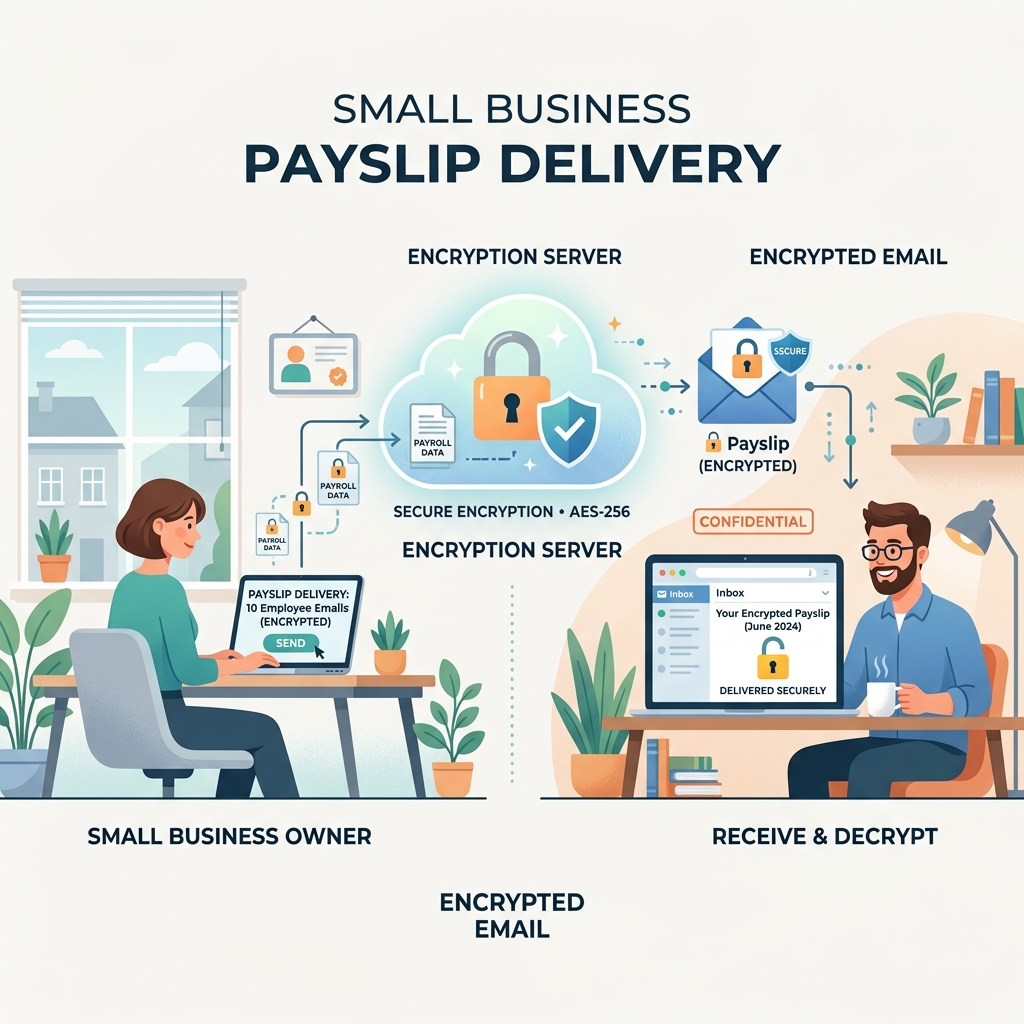
Next, connect the PIN_Password column to the automated encryption engine. PayslipGen will automatically lock each generated PDF with military-grade AES-256 encryption, ensuring that if you archive your paystubs in cloud storage (Dropbox, Google Drive, OneDrive), your sensitive financial PII remains impenetrable.
Step 4: One-Click Instant Generation & Direct SMTP Archiving
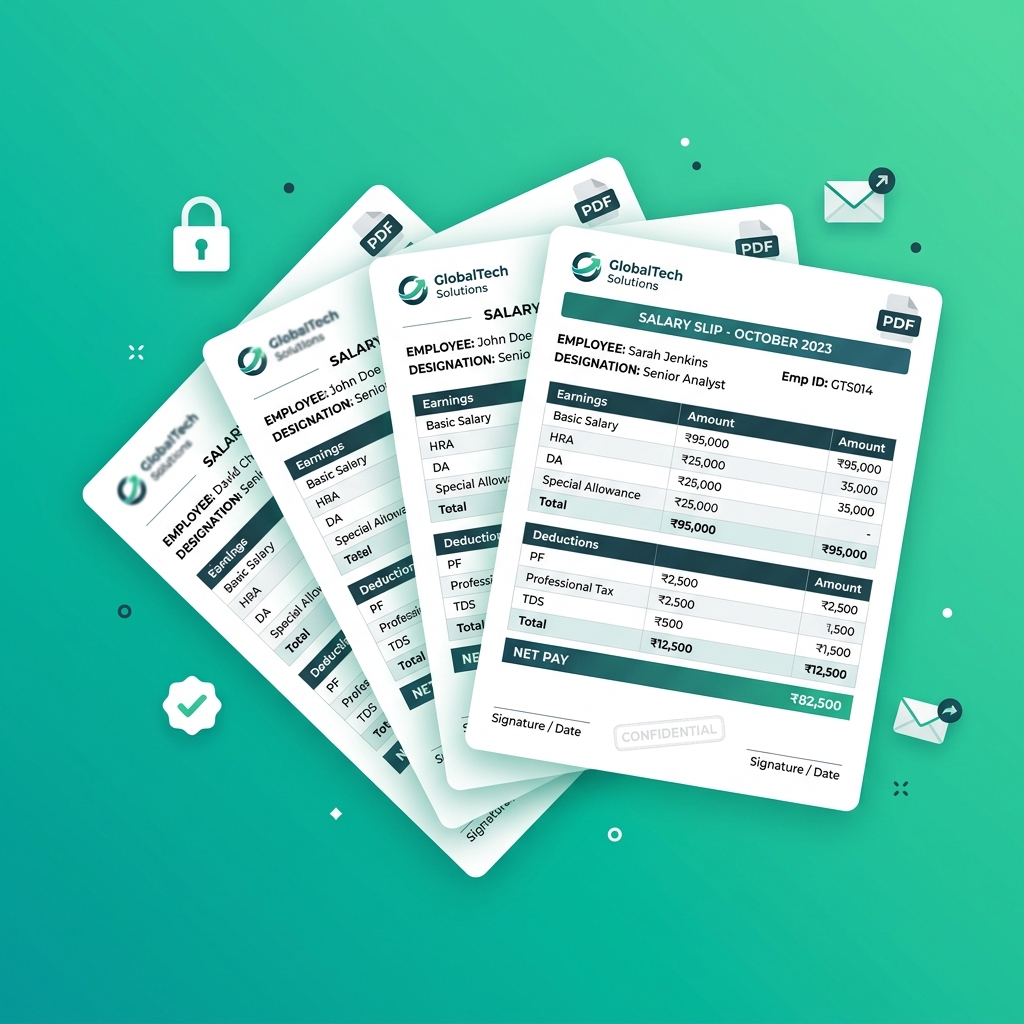
Click Generate Paystubs. Within seconds, PayslipGen renders crisp, pixel-perfect, vector-quality PDF documents into your local destination folder.
You can also use the integrated SMTP Deliveryfeature to automatically dispatch a copy of your paystub directly to your personal email inbox or your CPA's tax preparation address using your custom Gmail, Google Workspace, or Outlook credentials.
Chapter 7: How S-Corp Owners Handle Quarterly 941 & Annual W-2 Filings
A common misconception among new S-Corp owners is that generating your own paystubs makes tax filings difficult. In reality, filing your S-Corp payroll tax returns is straightforward once your spreadsheet has accurately tracked each month's numbers:
1. Federal Tax Deposits via EFTPS (Free)
You can make your federal tax deposits (employee FIT + employee FICA + employer FICA) for free directly through the US Treasury's official EFTPS.gov portal. Monthly depositors simply log in before the 15th of the following month and schedule their direct bank transfer in under 3 minutes.
2. Quarterly Form 941 Filings ($0 to $10)
Every quarter (April 30, July 31, October 31, January 31), file IRS Form 941 to reconcile your total wages and federal tax withholdings. You can either mail the paper form for free or e-file via authorized low-cost providers like Tax1099 or TaxBandits for roughly $3 to $5 per form.
3. Annual Form 940 & Form W-2 / W-3
In January, compile your year-end numbers from your master spreadsheet. File IRS Form 940 (FUTA return) and generate your official Form W-2 / W-3 using the Social Security Administration's free Business Services Online (BSO) portal or a low-cost e-file service ($4.00 total).
By decoupling payroll document generation from expensive cloud platforms, you spend less than $20/year on nominal e-filing fees while maintaining 100% control and ownership over your financial data.
Chapter 8: Comprehensive Solutions Comparison Matrix
Here is how local desktop automation compares to alternative methods for managing S-Corp owner payroll documentation:
| Feature / Requirement | Manual Word / PDF Hacks | Online Paystub Scams | Cloud SaaS (Gusto / QBO) | PayslipGen (Local Automator) |
|---|---|---|---|---|
| Pricing Model | Free (High labor error) | $10 - $15 per single download | $550 - $1,200+ every year | One-time purchase ($49) |
| Data Privacy & PII Storage | Local disk | Harvested on public web servers | Multi-tenant cloud server | 100% Offline on your PC |
| Bank & Mortgage Acceptance | Poor (Formatting errors) | Flagged by underwriting filters | High (Standard format) | High (Institutional vector PDF) |
| Spreadsheet Sync | Manual copy-pasting | Manual web form typing | Manual entry or API sync | Direct 1-click Excel/CSV import |
| AES-256 PDF Encryption | None | None | Portal login required | Automated per-file PIN protection |
| Custom Stamps & Signatures | Manual image alignment | Not supported | Standard generic digital text | High-res PNG signature & seal |
Frequently Asked Questions (FAQs)
Can an S-Corp owner take zero salary during unprofitable or startup years?
Yes, with a vital caveat: If your S-Corporation generated zero net profit or operates at a loss, and you took zero distributions, you are not legally required to pay yourself a salary. The reasonable compensation rule applies when the corporation produces profit and you take non-wage shareholder distributions. If you take $0 out of the business, there are no distributions for the IRS to reclassify.
Can I run S-Corp owner payroll on an annual or quarterly schedule?
Federal tax regulations do not mandate a weekly or bi-weekly frequency for S-Corp shareholder-employees. Many solo owners run payroll quarterly (aligned with quarterly Form 941 filings) or even annually in December. However, if you plan to apply for a mortgage, underwriters strongly prefer seeing regular monthly or semi-monthly paystubs that demonstrate consistent monthly cash flow.
What happens if the IRS determines my S-Corp salary was too low?
If the IRS audits your Form 1120-S and determines your W-2 wage was unreasonably low relative to your distributions, they will reclassify your distributions as wages. You will be assessed retroactive back FICA taxes (15.3%), severe failure-to-withhold penalties (under IRC § 6656), failure-to-pay penalties, and compounding interest dating back to each tax year in question.
Why do online paystub generator websites get flagged by mortgage lenders?
Generic web-based paystub generators typically use recognizable boilerplate templates with mismatched fonts, incorrect state tax formulas, and digital watermarks that mortgage fraud detection algorithms immediately flag. PayslipGen is professional, client-side desktop software that formats vector-rendered, institutional pay vouchers matching your exact corporate payroll ledger with mathematical perfection.
How does PayslipGen protect my Social Security Number and EIN?
Unlike cloud SaaS portals where your confidential PII is stored across multi-tenant web databases vulnerable to data breaches, PayslipGen operates 100% offline on your local computer. Your spreadsheet and generated PDFs never touch an external server. Furthermore, each output PDF can be secured with per-document AES-256 password encryption.
Can I also use PayslipGen if I hire 1099 contractors or additional employees?
Yes. PayslipGen supports batch generation from unlimited spreadsheet rows. You can generate paystubs for salaried staff, hourly workers with overtime, and 1099 contractor payment advice vouchers simultaneously in under 60 seconds with zero per-employee fees.
Stop Paying Monthly Subscriptions for Solo S-Corp Payroll
Generate compliant, bank-ready S-Corp reasonable salary paystubs and W-2 vouchers directly from your spreadsheet with lifetime offline software.
Get PayslipGen for $49 (Lifetime Access)Conclusion: Take Control of Your S-Corp Payroll & Keep Your Profits
The S-Corporation structure is designed to help entrepreneurs preserve capital and build long-term business equity. Surrendering $600 to $1,000+ every single year to cloud payroll providers for a static, one-person payroll run runs entirely counter to that wealth-building philosophy.
By combining a structured Excel calculation sheet with the high-performance local rendering of PayslipGen, you satisfy all IRS Reasonable Compensation documentation standards, produce flawless documentation for mortgage and credit underwriters, safeguard your sensitive corporate financial data, and eliminate recurring software bills forever.
(Also managing contractors or hourly workers? Explore our guides on 1099 Contractor Paystub Generation, Hourly Payroll with Overtime, or how to Automate Payroll Without Subscriptions.)