
Offline Payroll Software for Businesses That Need Data Privacy
Key Takeaways
- ✓Payroll databases store high-value PII and financial data, making cloud repositories vulnerable to credential theft and lateral network exploits.
- ✓Multi-tenant cloud architectures transfer data custody across distributed server farms, complicating data sovereignty requirements.
- ✓Offline desktop software processes calculations and payslip generation locally, neutralizing remote network-based attack vectors.
- ✓Privacy-focused solutions like PayslipGen simplify GDPR and CCPA compliance by keeping employee compensation records strictly on-premises.
- ✓Local payroll execution eliminates recurring SaaS subscription costs, third-party vendor lock-in, and downtime from cloud outages.
In an era predominantly defined by ubiquitous digital interconnectivity and the seemingly inexorable migration of enterprise operations to remote cloud infrastructures, the concept of localized, offline data processing is frequently—and erroneously—dismissed as an obsolete relic of a bygone technological epoch. However, as the frequency, sophisticated complexity, and catastrophic financial ramifications of massive, highly publicized data breaches continue to escalate alarmingly across the global corporate landscape, a profound paradigm shift is steadily emerging among organizations that possess a deep, uncompromising commitment to absolute data privacy and the rigorous safeguarding of highly sensitive employee information.
For modern businesses that recognize the inherently sensitive, deeply personal nature of financial compensation records, the strategic deployment of offline payroll software represents far more than a mere administrative preference; it is a fundamental, non-negotiable architectural requirement for establishing impenetrable data sovereignty. The comprehensive dataset meticulously compiled and persistently maintained within a standard corporate payroll system—encompassing unredacted legal names, permanent residential addresses, unique governmental identification numbers, detailed banking routing and account specifics, granular historical compensation trajectories, and occasionally sensitive medical or tax-related deduction information—constitutes a tremendously lucrative, highly sought-after target for international syndicates of malicious cyber threat actors. Consequently, meticulously and critically evaluating the profound security implications of precisely where and how this invaluable repository of personally identifiable information (PII) is processed, permanently stored, and structurally protected has emerged as a paramount responsibility for ethical, forward-thinking organizational governance and rigorous risk management.
Try Our Interactive Demo Instantly
Want to see how an offline-capable, client-side payslip generator works in practice? Try our brand-new interactive demo right in your browser. Upload a sample CSV, map your columns, and generate beautifully designed PDF payslips—with zero data ever being transmitted to our servers.
Launch Free Demo NowThe Critical Concept of Data Sovereignty in the Modern Era
Before delving into the specific operational advantages of localized processing solutions, it is unequivocally essential to deeply comprehend the critical concept of "data sovereignty." In the complex realms of digital privacy and international cybersecurity jurisprudence, data sovereignty refers fundamentally to the principle that digital information is inexorably subject to the specific laws, stringent regulations, and overarching legal jurisdiction of the physical country or geopolitical region in which it is primarily collected and permanently stored. When a business heavily leverages commercial cloud-based Software-as-a-Service (SaaS) platforms for its core administrative functions, the organization is inherently, implicitly transferring the physical custody, operational control, and ultimate geographic location of its most sensitive data to external, third-party server farms that are frequently distributed across multiple, disparate international borders to ensure high availability and robust disaster recovery capabilities.
This complex, highly decentralized architectural model introduces significant, multifaceted vulnerabilities. By relinquishing direct, physical control over the underlying storage hardware, the organization unknowingly subjects its confidential employee records to an expansive, highly complex web of international data transit regulations, the potential for legally sanctioned surveillance by foreign governmental entities, and the undeniable reality that their critically sensitive data is co-located on the exact same multi-tenant infrastructure alongside potentially thousands of other corporate entities. Offline software deliberately and aggressively circumvents this complex geographical ambiguity. By mandate, it ensures that all processed information remains strictly localized, physically confined to a specific designated workstation or internal server directly controlled by the organization, thereby guaranteeing absolute legal and operational sovereignty.
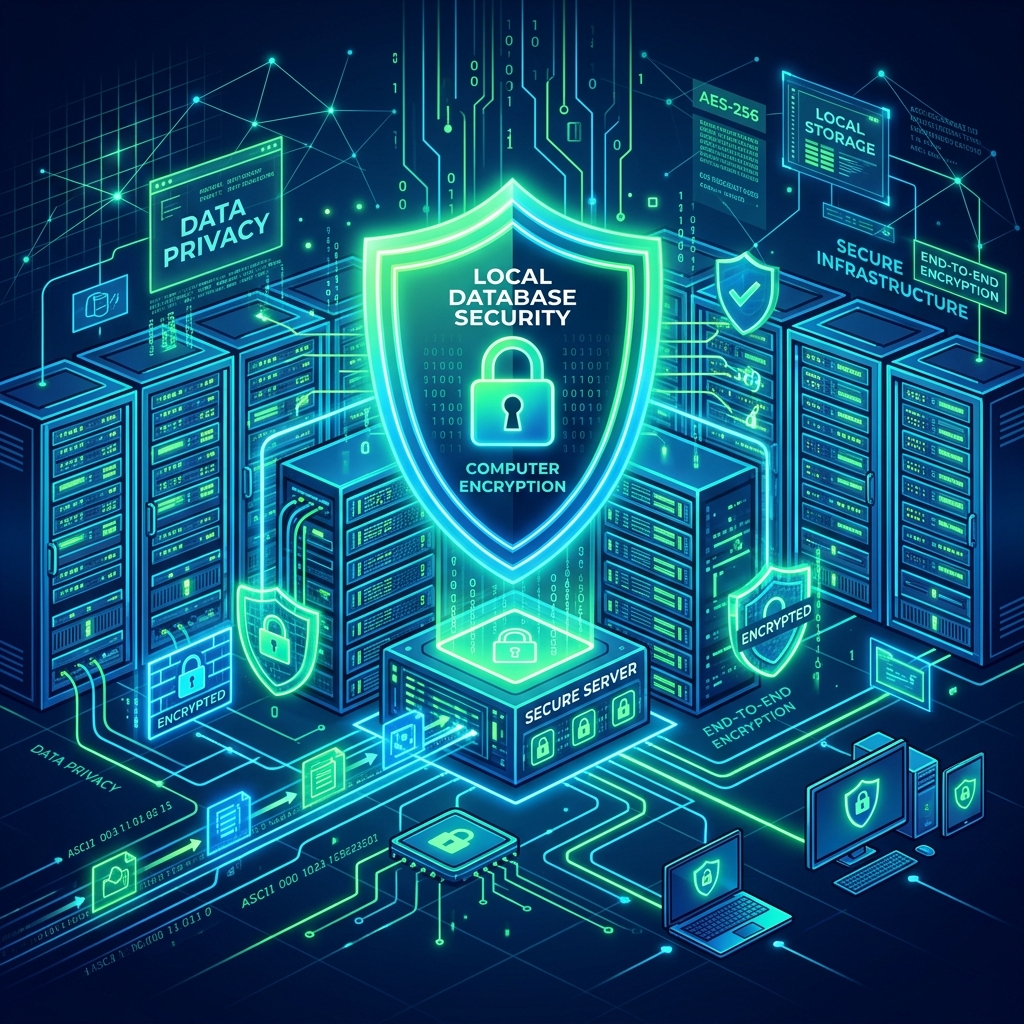
The Hidden Vulnerabilities of the Interconnected Cloud Environment
While cloud vendors persistently, aggressively market their platforms utilizing highly sophisticated, reassuring terminology that heavily emphasizes enterprise-grade encryption algorithms, robust containerization strategies, and continuous, automated security patching, the fundamental underlying architecture of any remotely hosted application remains inherently exposed to a vast, unceasing array of external threats. The inescapable necessity of maintaining a continuous, active connection to the public internet simply to facilitate basic operational functionality creates an expansive, remarkably complex attack surface that can be ruthlessly exploited by determined, well-resourced adversaries.
One of the most concerning, pervasive threats within the cloud ecosystem is the devastating "credential compromise." If an authorized human resources administrator falls victim to a highly sophisticated, emotionally manipulative spear-phishing campaign or unknowingly utilizes a previously exposed password, malicious actors can instantaneously, effortlessly gain completely unfettered, remote administrative access to the entire organizational payroll database from virtually any physical location on the planet. Furthermore, the complex multi-tenant architecture that economically underpins the modern cloud computing industry means that subtle, highly advanced "zero-day" vulnerabilities in the vendor's virtualization hypervisor or logical isolation protocols can theoretically allow an attacker who has successfully compromised a completely unrelated, less secure client on the same shared hardware to subsequently pivot laterally and unauthorizedly access your organization's highly confidential data repository.
The Reality of Shared Infrastructure
In a cloud environment, you are implicitly trusting that the vendor's logical software barriers are flawless. However, history demonstrates that complex code inevitably contains exploitable flaws. When you share physical hard drives and CPU cycles with unknown third parties, your data privacy is entirely dependent on the perfection of an external entity's security engineering—a risk that highly privacy-conscious organizations find increasingly unacceptable.
Defining Offline Payroll Software: The Uncompromising Fortress
In stark, deliberate contrast to the fundamentally dispersed, inherently exposed nature of cloud-based solutions, offline desktop payroll software operates entirely on a philosophy of radical technological containment and rigorous physical isolation. By intentional design, the core computational logic required to execute complex tax calculations, the comprehensive employee database, and the specialized engines responsible for generating finalized digital payslips are installed directly, exclusively, and permanently onto a localized, physical computer that resides securely within the strictly controlled premises of the business organization itself.
The most profound, highly effective security feature of this traditional architectural approach is precisely what it deliberately lacks: an absolute requirement for continuous external connectivity. A completely offline, rigorously "air-gapped" workstation—meaning it is physically disconnected from both the public internet and potentially compromised internal corporate networks—is mathematically and fundamentally immune to remote, network-borne cyber threats. A sophisticated ransomware syndicate operating from an untraceable jurisdiction simply cannot encrypt, extort, or exfiltrate a deeply confidential database that it cannot logically discover or electronically reach. The security paradigm dramatically shifts from an endless, exhausting digital arms race against invisible, global attackers to a vastly more manageable, straightforward matter of implementing stringent physical access controls within the organization's own secure office environment.

Unparalleled Benefits for the Privacy-Conscious Enterprise
For businesses operating in highly regulated industries—such as specialized healthcare providers, legal defense firms, advanced defense contractors, or financial advisory groups—the decision to deliberately reject cloud convenience in favor of offline security yields profound, multifaceted operational and strategic benefits that extend significantly beyond mere data protection.
Absolute Immunity to Remote Exploitation
Automated payslip delivery from offline systems inherently neutralizes remote cyber threats. As previously emphasized, the absolute inability of a remote attacker to establish a network connection with the isolated payroll host computer entirely neutralizes the most common, destructive vectors of modern corporate cyber warfare. Phishing emails containing malicious executable payloads are rendered entirely harmless if the targeted machine cannot resolve external DNS queries or establish outbound command-and-control communication channels. Complex Distributed Denial of Service (DDoS) attacks designed to cripple essential cloud services have absolutely zero impact on the localized ability of an organization's HR department to independently process payroll, reliably generate accurate documents, and ensure that the workforce is compensated punctually and correctly.
Drastically Simplified Regulatory Compliance
Navigating the incredibly complex, highly punitive labyrinth of modern global data protection regulations—including the robust European General Data Protection Regulation (GDPR), the California Consumer Privacy Act (CCPA), and stringent localized financial compliance mandates—becomes remarkably straightforward when the fundamental physical location of the sensitive data is absolute, verifiable, and strictly centralized. Organizations utilizing offline systems can easily, unequivocally demonstrate to independent auditors, regulatory bodies, and concerned stakeholders exactly where the highly confidential employee data resides, who specifically possesses authorized physical access to the isolated hardware, and definitively prove that the sensitive information is fundamentally incapable of unauthorized, cross-border electronic transmission.
Elimination of Third-Party Dependency Risk
By successfully transitioning critical administrative operations to localized, offline infrastructure, an organization actively reclaims its profound operational independence. You are no longer held hostage to unpredictable, unannounced modifications to a vendor's Terms of Service, arbitrary massive increases in recurring subscription pricing, or the profoundly disruptive operational paralysis that inevitably occurs when a centralized cloud provider experiences a massive, cascade-failure infrastructure outage. Your organization's ability to seamlessly, accurately, and reliably execute the fundamental necessity of employee compensation is solely and entirely reliant on your own internal capabilities and the meticulously maintained reliability of your localized hardware.
Cultivating Deep Organizational Trust Through Unwavering Protection
While the rigorous technical specifications, encryption methodologies, and architectural superiority of offline systems provide immense satisfaction for security professionals and IT directors, the psychological impact on the broader workforce is arguably an even more critical, fundamental consideration for organizational leadership. The contemporary corporate employee is vastly more technologically literate and deeply aware of digital privacy issues than previous generations. Consequently, they harbor profound, entirely justified anxieties regarding precisely how their incredibly sensitive personal and financial data is managed, stored, and protected by their employer.
When an organization makes the deliberate, heavily considered strategic decision to invest in robust, offline payroll infrastructure, it sends an extraordinarily powerful, unequivocal message to its entire workforce. It powerfully communicates that the leadership team fundamentally views the uncompromising protection of employee privacy not merely as an annoying, burdensome regulatory compliance checkbox, but rather as a sacred, inviolable organizational duty. This demonstrably proactive stance significantly fosters deep organizational trust, massively boosts overall employee morale, and serves as an incredibly compelling, highly attractive differentiator during intensely competitive talent acquisition efforts in an era where massive data breaches have tragically become a regular occurrence.
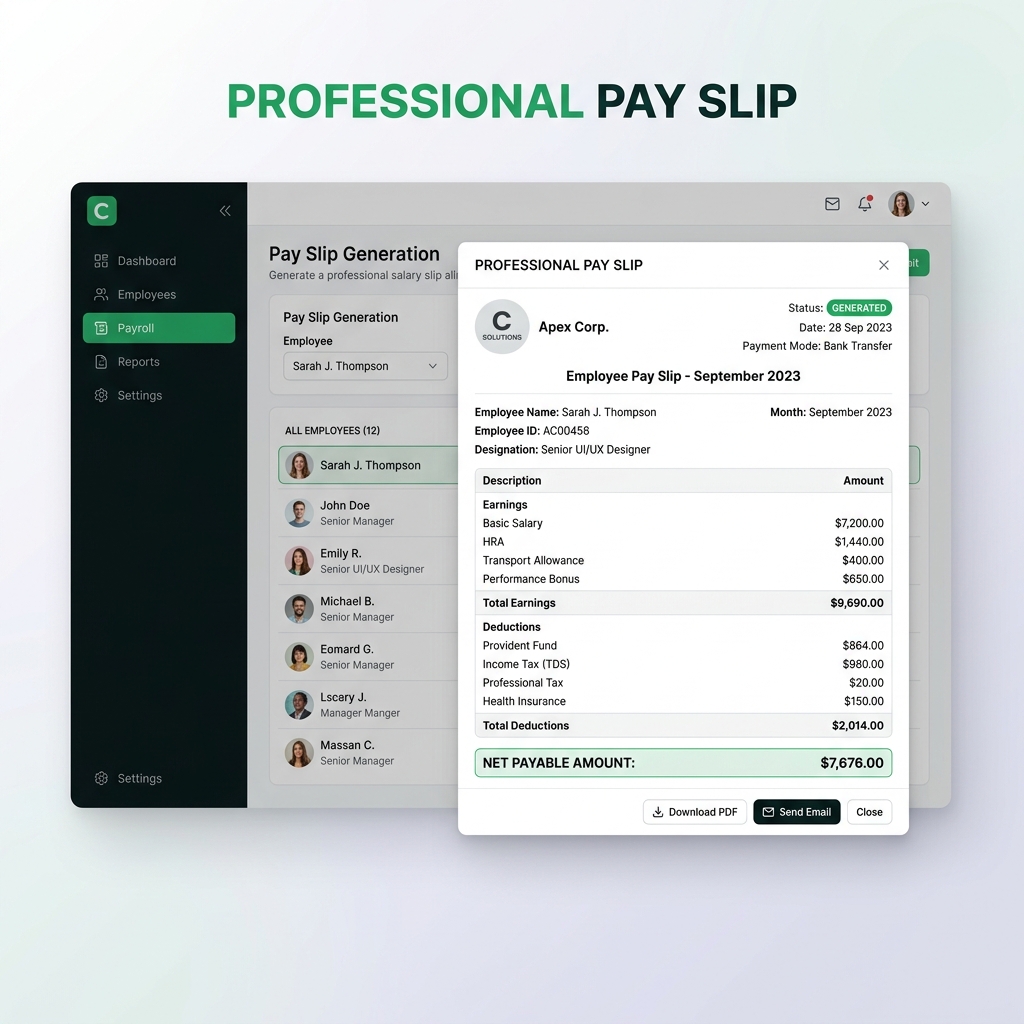
Reclaim Your Corporate Data Sovereignty Today
Step away from the inherent vulnerabilities of shared cloud infrastructure. Empower your organization with the absolute security, total control, and uncompromised privacy that only a localized, offline solution can genuinely guarantee.
Secure Your Employee Data NowConclusion: A Calculated Return to Foundational Security Principles
The widespread, enthusiastic adoption of distributed cloud technologies has undeniably revolutionized countless aspects of modern business operations, introducing remarkable efficiencies and unprecedented collaborative capabilities. However, a rigorous, intellectually honest evaluation of the specific requirements associated with highly sensitive, deeply confidential administrative functions dictates that a one-size-fits-all architectural approach is fundamentally flawed and inherently dangerous. The exceptionally sensitive nature of comprehensive payroll data, containing the most private financial and identifying details of an entire workforce, simply demands a significantly more robust, intentionally restrictive, and fiercely defensive security posture.
By strategically and deliberately deploying offline desktop payroll software, businesses are not foolishly rejecting technological advancement; instead, they are making a highly sophisticated, deeply considered, and profoundly responsible decision to prioritize absolute, verifiable data sovereignty over minor operational conveniences. In a highly volatile, exceptionally dangerous digital landscape heavily populated by relentless cyber threats, complex regulatory mandates, and ever-present data extraction risks, establishing a truly unassailable, localized digital fortress represents the ultimate standard of robust corporate protection. It definitively ensures that an organization's most critical asset—the deeply personal trust of its employees—remains entirely unbroken and comprehensively secure.